Thinking about replacing your water heater, but not sure what it’s going to cost? You’re not alone. When my friend replaced theirs last year, they were shocked by how many factors went into the final price , and how fast quotes could vary. Whether yours is leaking, not heating properly, or just outdated, getting a clear idea of the cost can save you a lot of stress.
Let me walk you through what you really need to know, using real examples and plain language.
What Affects the Cost of a Water Heater?
When you’re trying to figure out how much a new hot water heater will cost, it helps to understand the different pieces that go into the final price tag. It’s not just the heater itself; it’s everything around it.
Let’s break down the core factors that influence the total cost:
1. Type of Water Heater
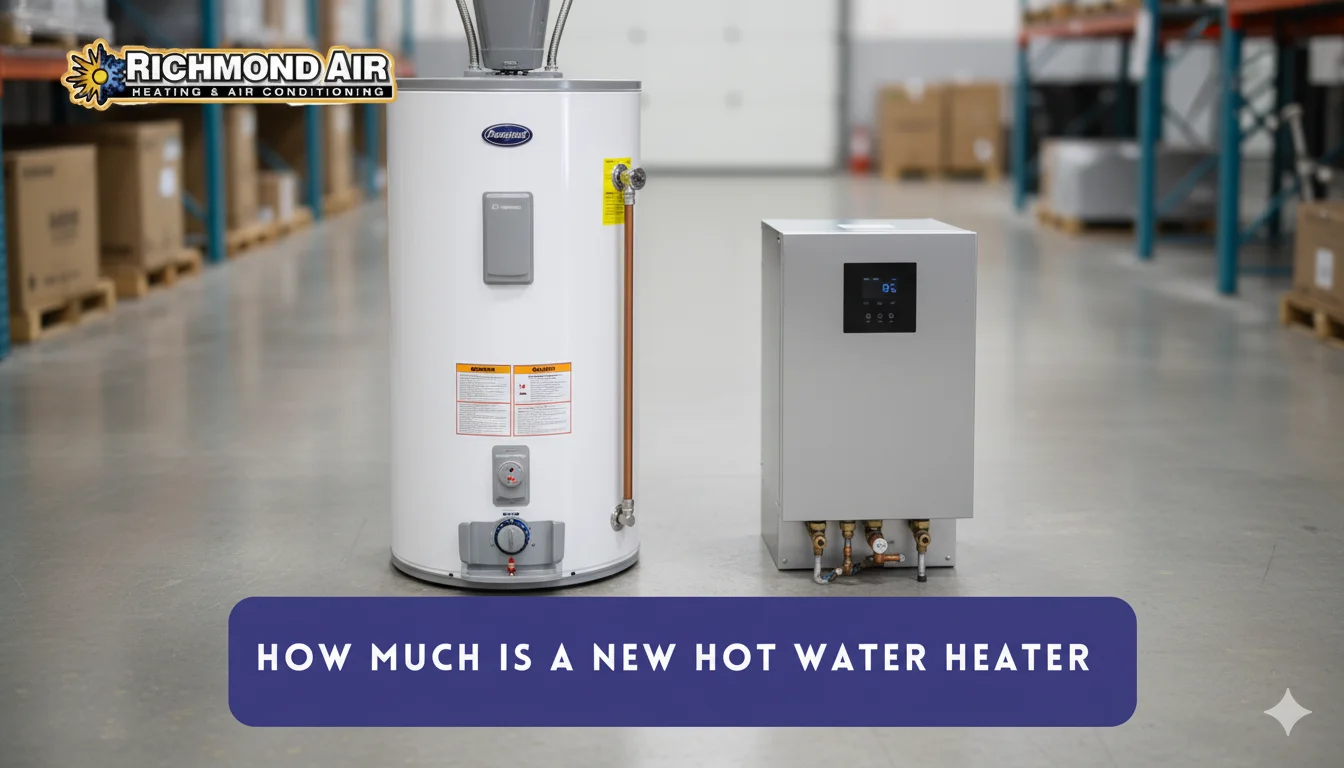
This is often the biggest price driver. There are two main types: tank and tankless. A traditional tank heater stores hot water and keeps it heated 24/7, while a tankless model heats water only when needed. Tankless units cost more upfront, but they can lower your monthly utility bills over time.
2. Fuel Source
Water heaters typically run on electricity, natural gas, or propane. Electric units are usually cheaper to buy and install, but gas models heat water faster and can be more cost-effective in the long run, especially for larger households.
3. Size and Capacity
The size of the unit you choose depends on your household’s hot water needs. A 40-gallon tank might be enough for two people, but a family of four may need a 50-gallon or even 80-gallon model. Bigger tanks naturally cost more and require more space.
4. Installation Complexity
This one often catches people by surprise. When my friend replaced their old 50-gallon gas unit, they expected a quick swap. But the plumber pointed out that the old venting wasn’t up to code, and they needed to reroute some pipes. That added over $600 to their final cost and pushed the timeline out by a few extra days. It was a lesson in how little things can add up fast if you’re not prepared.
5. Energy Efficiency Ratings
High-efficiency models often come with better insulation and features like smart thermostats. These can add to the initial cost, but they can also reduce monthly energy bills , something to think about if you plan to stay in your home long-term.
6. Labor and Permit Fees
Professional installation is strongly recommended for water heaters. Plumbers charge based on location, complexity, and whether any additional work (like drywall removal or vent pipe installation) is required. Many areas also require permits, and some utility companies may inspect the installation before signing off.
Average Water Heater Prices: What You Can Expect to Pay
The price of a new hot water heater can feel like a moving target. You might hear one number from a big-box store, another from a local plumber, and something totally different online. That’s because there’s no single “standard” price; it depends on the unit, where it’s installed, and who’s doing the work. But there are realistic ranges you can use to set your expectations.
Typical Price Range for Most Households
Most homeowners end up paying anywhere from $1,800 to $4,000 for a traditional tank-style water heater, fully installed. This range includes the heater itself, basic labor, and some standard parts like new water lines or fittings. If you’re getting a 40- or 50-gallon tank, this is where your cost will likely fall.
Electric models usually sit at the lower end of the scale, while gas heaters can cost a bit more due to venting and gas line adjustments. These are the most common options for average households, and the pricing tends to be more predictable, especially if you’re replacing an existing unit with something similar.
What Raises the Cost
Once you start needing upgrades or switching types of systems, prices rise quickly. Let’s say you’re switching from a gas tank unit to a tankless model. Now you’re not just replacing a heater , you’re installing new venting, possibly upgrading your gas line, and paying more for the unit itself. This can push your total cost up to $5,000 to $8,500 or more, depending on how involved the work is.
Tankless systems are more compact and energy-efficient, but they require more skilled installation and sometimes extra permits. They also tend to have higher upfront costs. However, if you’re in a home where hot water runs out often or energy efficiency is a major concern, the long-term savings may make it worthwhile.
Brand and Quality Differences
The brand you choose also plays a role in how much you’ll pay. A basic off-the-shelf model might run $600 to $900 for the unit alone, while a premium brand with a long warranty or extra features could cost $1,500 or more. Some brands are known for longevity and support, which can save money in the long run if you plan to stay in your home.
Installation from a licensed contractor typically costs an additional $800 to $2,500, depending on your region and project scope. Some plumbers offer flat-rate quotes, while others break it down line-by-line. If you’re comparing estimates, be sure to ask what’s included; some may not cover haul-away of the old unit or permit fees.
If you’re planning to replace your water heater soon, it’s a good idea to get at least two or three estimates from licensed professionals. Ask them to explain what’s included in the price, how long the job will take, and whether any permits are needed. If the quotes seem very different, don’t hesitate to ask why. A higher price might mean higher-quality work or better support down the road.
Staying within budget is easier when you understand what you’re paying for and where there’s room to save without cutting corners.
Types of Water Heaters and Their Costs
Choosing the right type of water heater isn’t just about the upfront cost; it also affects your energy bills, water usage, and how long the system will last. There are several types on the market, and each comes with its own price range and pros and cons. According to the U.S. Department of Energy (DOE), efficiency standards finalized in 2024 for residential water heaters are expected to save homeowners about $7.6 billion per year in energy and water bills once they go into effect.
Tank Water Heaters
These are the most common and budget-friendly models. They store a set amount of hot water , usually 40 to 80 gallons , and keep it heated throughout the day.
- Lower upfront cost
- Simpler installation
- Ideal for small to medium households
- Typically lasts 8 to 12 years
Expect to pay between $1,800 and $3,500 fully installed, depending on the size and whether it’s electric or gas.
Tankless Water Heaters
These systems heat water only when you need it. There’s no storage tank, so you get hot water on demand and never run out.
- Higher efficiency
- Compact size, saves space
- Ideal for larger families or homes with high water demand
- Can last 15 to 20 years
The downside is the upfront cost. Tankless systems typically cost between $5,000 and $8,500, including installation.
Hybrid Heat Pump Water Heaters
These use electricity and heat pump technology to move heat from the air into the water, making them very efficient.
- Lower energy use over time
- Good for warm climates or well-ventilated areas
- Requires more space than standard tanks
They cost more than standard electric heaters, usually ranging from $3,500 to $5,000 installed.
Solar Water Heaters
Solar heaters are eco-friendly and reduce energy bills, but they’re expensive and depend on sunlight availability.
- Great long-term savings in sunny regions
- Can be paired with electric/gas backup
- High upfront cost and complex setup
Installation typically starts around $6,000 and can exceed $10,000, depending on system size.
Here’s a quick comparison:
| Type | Average Cost (Installed) | Lifespan | Best For |
| Tank (Electric/Gas) | $1,800 – $3,500 | 8–12 years | Budget buyers, basic households |
| Tankless | $5,000 – $8,500+ | 15–20 years | Large homes, energy savers |
| Hybrid (Heat Pump) | $3,500 – $5,000 | 10–15 years | Energy-efficient upgrades |
| Solar | $6,000 – $10,000+ | 15–20 years | Eco-conscious homeowners |
Installation Costs: What’s Included?
When budgeting for a new water heater, it’s easy to focus only on the unit itself , but installation costs can sometimes match or even exceed the heater price. A proper install ensures your system runs safely, meets code, and doesn’t give you problems later. Here’s what’s typically included in the installation cost and what might add extra charges.
Standard Inclusions in Most Install Quotes
Most professional installations come with a standard set of services. These are usually covered in a flat-rate quote or outlined in detail in the contractor’s estimate.
- Delivery and setup of the new water heater
- Removal and disposal of the old unit
- Connection to existing plumbing and power/gas lines
- Basic parts like connectors, fittings, and pressure relief valves
- System testing to ensure everything works safely and efficiently
This “basic” installation typically costs between $800 and $2,000, depending on your area and the heater type.
What Can Add to Your Installation Cost
Some homes require more than a simple replacement. These extras often show up in the final bill and can push your total project cost higher:
- Code upgrades: If your existing plumbing or venting isn’t up to current standards, you’ll have to pay for corrections
- Permit fees: Many municipalities require a plumbing or mechanical permit for water heater replacement
- New venting or gas lines: Tankless systems or fuel source changes often need new venting paths or gas line resizing
- Electrical upgrades: If you’re switching from gas to electric or installing a hybrid system, extra wiring or breaker work may be needed
- Drain pan and expansion tank: Often required for safety and to prevent water damage
Final Tip Before You Hire
Make sure your installer is licensed, insured, and experienced with the type of heater you’re buying. Ask for a detailed quote that breaks down labor and materials separately, and double-check what’s included. It’s also smart to ask whether they’ll pull the permit for you or if that’s your responsibility.
Understanding what’s included in installation , and what’s not , helps you avoid surprise charges and makes comparing contractor quotes much easier.
When Should You Replace Your Water Heater?
Knowing when it’s time to replace your water heater can save you from unexpected cold showers or even serious water damage. Many people wait until the system fails, but there are clear signs that indicate your unit is reaching the end of its useful life. Paying attention to these can help you plan ahead and avoid last-minute emergency costs.
Lifespan of a Typical Water Heater
Most standard tank water heaters last between eight to twelve years, while tankless models can run for fifteen to twenty years with proper maintenance. If your heater is nearing or past this age range, it’s a good idea to start considering a replacement, especially if it’s showing other signs of wear. Even if it’s still working, older models are less efficient and cost more to operate each month.
Warning Signs That Indicate a Problem
A common sign of a failing water heater is inconsistent or lukewarm water. If the unit used to provide plenty of hot water and now struggles, it may be a sign that sediment has built up inside the tank or that the heating element is wearing out. Another sign is discolored or rusty water, which can mean the tank itself is starting to corrode. This usually leads to leaks , sometimes slow drips, sometimes a full rupture , and when that happens, the damage can be significant.
Strange noises like popping or rumbling during heating cycles can also signal trouble. These sounds often come from sediment hardening inside the tank, reducing heating efficiency and straining the system. Increased energy bills without any change in usage may also point to a declining water heater, especially if it’s running longer to heat the same amount of water.
Safety and Efficiency Concerns
Beyond comfort and convenience, an old water heater can pose safety concerns. Pressure relief valves, vents, and thermostats may stop functioning properly, and in gas units, there’s the added risk of carbon monoxide leaks. Newer models come with better safety features and much higher energy efficiency, helping you save money and avoid risks at the same time.
If your water heater is approaching the end of its lifespan and showing any of these signs, it’s a smart move to plan for replacement before it fails completely. Upgrading on your schedule is always better than scrambling during an emergency.
Can You Save Money by Installing It Yourself?

It might seem tempting to handle a water heater replacement on your own to cut down on labor costs. Some DIY-savvy homeowners think they can save a few hundred dollars by skipping professional help. But in most cases, the risks far outweigh the savings.
Water heaters involve plumbing, gas or electric lines, venting, and safety features that must be set up correctly. A single mistake can lead to leaks, electrical hazards, gas exposure, or even structural damage to your home. In many areas, installing a water heater without a permit or licensed installer is against code , which could result in fines or insurance issues if something goes wrong.
There’s also the matter of warranty. Most manufacturers require installation by a certified technician for the warranty to remain valid. So while it may be cheaper upfront to install it yourself, you could lose long-term protection and spend more if anything fails.
Unless you’re already licensed and understand the local plumbing code, it’s usually smarter and safer to leave the job to a pro.
Final Thoughts
Replacing your water heater might not be the most exciting upgrade, but it’s one that can seriously impact your comfort, safety, and monthly bills. Whether you’re choosing a simple electric tank or investing in a high-efficiency tankless system, understanding the full cost , from the unit itself to the installation details , helps you make a smart decision.
Don’t wait for your old heater to break down completely. If it’s getting older or showing signs of wear, planning ahead gives you time to compare options, get multiple quotes, and choose what fits your home and budget best. A little research now can save you a lot of stress (and cold showers) later.
Ready to Replace Your Water Heater?
If you’re in Richmond, VA, and looking for trusted, professional water heater installation, the team at Richmond Air is here to help. Whether you need a fast replacement, expert advice, or want to explore energy-efficient options, their licensed pros will walk you through every step.
Get in touch today for a free consultation or estimate:
👉 Contact Richmond Air
Your comfort and hot water are just a call or click away.
Frequently Asked Questions (FAQs)
What’s the cheapest type of water heater I can buy?
The most affordable option is typically a 40-gallon electric tank water heater, which can cost around $1,800 to $2,500 installed. It’s simple, widely available, and inexpensive to operate in homes with lower hot water demand.
Is gas or electric cheaper in the long run?
Gas heaters usually have higher upfront costs but are often cheaper to run over time, especially in areas where gas prices are low. Electric models are easier to install and maintain, but may cost more monthly depending on your utility rates.
How long does it take to install a new water heater?
Most standard replacements take about 2 to 4 hours. If your installation is complex , like switching from tank to tankless or needing code upgrades , it could take a full day or longer.
Do I need a permit to replace my water heater?
Yes, in most places, a permit is required to legally install a new water heater. This ensures the work meets safety and building codes. A licensed plumber usually handles the permit for you, but you should always confirm this before work starts.
How do I know if my water heater is failing?
Look out for signs like rusty water, lukewarm temperatures, odd noises, or leaks. If your system is over 10 years old, it may also be losing efficiency or close to the end of its lifespan.