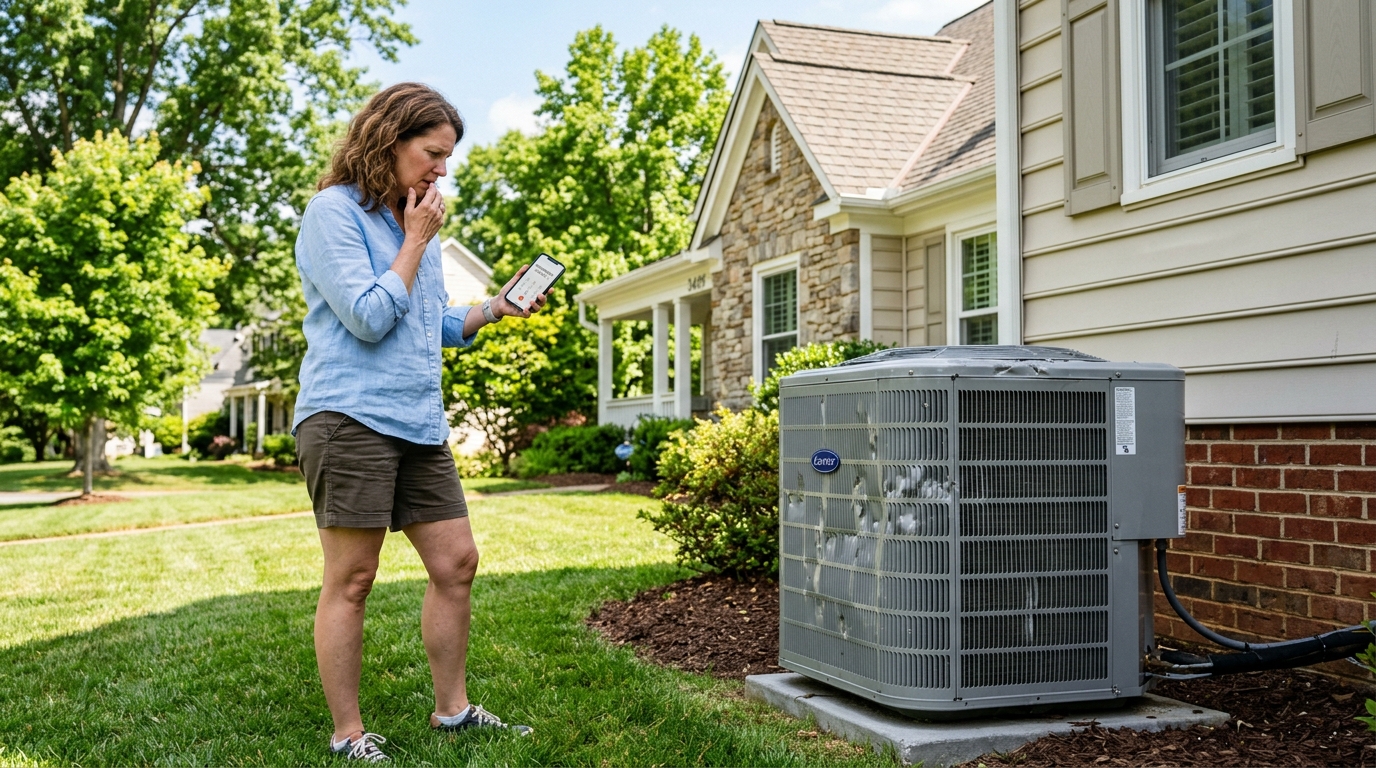
Your AC stopped working on the hottest day of the summer. It happens more than you think in Virginia. And your first thought is probably: “Will my homeowners insurance pay for this?” Honestly, the answer is not always simple.
What Homeowners Insurance Actually Covers for AC Repair
So here is the basic rule: homeowners insurance covers your AC unit or HVAC system only when the damage comes from what insurance people call a “covered peril.” That means a sudden, unexpected event that your policy lists as covered.
If your air conditioning unit or HVAC system gets damaged by hail, wind, lightning strikes, fire, smoke, vandalism, or theft, your homeowners insurance policy will usually help pay for repairs or replacement.
I had a neighbor in Richmond who came home after a thunderstorm and found her outdoor condenser unit totally fried by a lightning strike. She called her insurer, filed the claim the same evening, and had a check within a week. That is exactly the kind of thing insurance is built for.
It is also worth knowing that dwelling coverage protects your home’s walls, electrical wiring, and heating and air conditioning systems. Your personal property coverage helps pay for things like window AC units, since those are not built into the structure of your home.
When Does Virginia’s Climate Make Things More Risky?
Virginia summers are no joke. The heat is real and it is humid. Virginia’s summers are consistently hot, humid, and hard on your home’s HVAC system. That heat and moisture can quickly turn into costly problems for homeowners.
This matters because the hotter and harder your system runs, the more likely something breaks. And when a storm damage event hits, the HVAC repair costs can add up fast. The average home insurance claim from AC system failures in Virginia runs about $1,500, plus your deductible.
What Homeowners Insurance Will NOT Cover for Your AC
This is the part most people miss. And honestly, I wish someone had explained this to me earlier when I first owned a home.
Wear and Tear, Neglect, and Normal Breakdowns
Your homeowners insurance does not cover HVAC problems that come from normal wear and tear, neglect, or a non-covered peril. Things like a broken fan, frozen evaporator coils, dirty condenser coils, or debris blocking the heating and cooling system are all considered normal use issues and will not be covered.
Standard homeowners insurance does not cover mechanical breakdowns. Adding equipment breakdown coverage is one way to protect yourself. This optional endorsement covers sudden failures from mechanical or electrical problems.
Think of it this way: insurance covers accidents, not aging. Your car insurance does not pay for an oil change, and your home insurance policy does not pay when your central air conditioner just gets too old to work.
Floods and Earthquakes Are Not Included
Flood damage and earthquake damage are usually excluded from standard homeowners insurance policies. You would need to buy a separate flood insurance policy to get protection from flooding, or add an earthquake endorsement to your home insurance policy.
This is super important for Virginia homeowners near rivers, low-lying areas, or places that see heavy rainfall. Your HVAC system sitting in a flooded basement is not going to be covered under your basic policy.
Does Your AC Type Change What Gets Covered?
Yes, it does. And this part confuses a lot of people.
Central AC vs Window Units: The Key Difference
Central HVAC systems are covered under dwelling coverage because they are part of your home’s structure. Window AC units typically fall under personal property coverage instead.
This matters because permanently installed systems like furnaces, heat pumps, and ductwork fall under dwelling coverage, which usually provides the most protection. Portable air conditioners or temporary systems may fall under personal property coverage, which often has lower limits.
So if a windstorm takes out your central unit outside, you are in better shape than if someone steals your window unit. Not because the rules are different, but because the coverage limits are usually higher for dwelling coverage.
The $5,000 Rule: Repair or Replace?
The “$5,000 rule for HVAC” is the idea that replacement may make more sense than repair if the repair cost is more than $5,000. This is not an official insurance rule, but it can help you decide next steps after a covered loss.
To be fair, this rule does not always fit everyone’s situation. A 15-year-old system that costs $4,800 to fix might still be a better candidate for full replacement. Always talk to a licensed HVAC contractor and your insurance agent before you decide.
According to data from Virginia HVAC contractors, HVAC replacement costs in Virginia typically range from $4,000 to $10,000, with the total price depending on the type of system, your home size, and the complexity of installation. Central Air Conditioner Replacement alone can cost between $3,000 and $7,000.
How to File a Homeowners Insurance Claim for AC Repair in Virginia
Filing a claim is not hard, but you have to do it right. I have seen people lose coverage just because they skipped a step.
Step-by-Step: Filing Your HVAC Insurance Claim
If you believe your HVAC system was damaged by a covered peril, act quickly. Contact your insurance company right away. Provide details about what happened and when. Document the damage clearly. Take photos and videos of the damaged unit and gather repair estimates from licensed HVAC contractors before any work begins.
After that, your insurer will send a claims adjuster to look at the damage. If the claim is approved, your insurer may pay to repair or replace the unit, minus your deductible.
One tip: The average homeowners insurance deductible is about $1,000. If the repair costs less than your deductible amount, it is probably worth paying out of pocket. However, if the entire system needs to be replaced, then filing a claim makes sense.
Do not start repairs before the adjuster visits. That is a common mistake that can hurt your claim.
Equipment Breakdown Coverage: The Add-On Virginia Homeowners Should Know About
Here is something most people never hear about until it is too late.
What Is Equipment Breakdown Coverage?
Equipment breakdown coverage is an optional endorsement you can add to your homeowners insurance policy to protect your HVAC system and other appliances in the event of a mechanical or electrical breakdown. It even helps if you want to make “green” upgrades. It pays up to 125% of your cost to replace covered equipment with items that are similar but more energy efficient or environmentally friendly. It does not cover normal wear and tear.
This is a smart add-on for Virginia homeowners because our hot, humid summers push systems hard. Adding equipment breakdown coverage can save you thousands if your heat pump or central air fails from an electrical surge or a sudden mechanical problem.
According to a study published by the U.S. Department of Energy, regular HVAC maintenance and proper energy efficiency upgrades can reduce cooling costs by up to 15% per year. That adds up fast over time.
Should You Consider a Home Warranty Instead?
If your AC or HVAC system is damaged by aging or general wear and tear, a home warranty may help cover the costs. A standard homeowners insurance policy would not cover this in most cases. A home warranty is different from home insurance. Think of insurance as covering sudden disasters. Think of a warranty as covering slow breakdowns. If your HVAC system is older and you are worried about it failing, a home warranty might fill the gap your insurance leaves open.
For many Virginia residents, being prepared with an affordable repair plan is a smart financial decision. Having a home warranty protection plan is a good tool to help protect against HVAC repairs, heating system repairs, cooling system repairs, and AC repair across Virginia.
Virginia-Specific Tips to Protect Your AC and Your Coverage
Living in Virginia means dealing with humidity, storms, and summer heat all at once. Here are some things that actually help.
Annual HVAC Maintenance Saves Money and Protects Claims
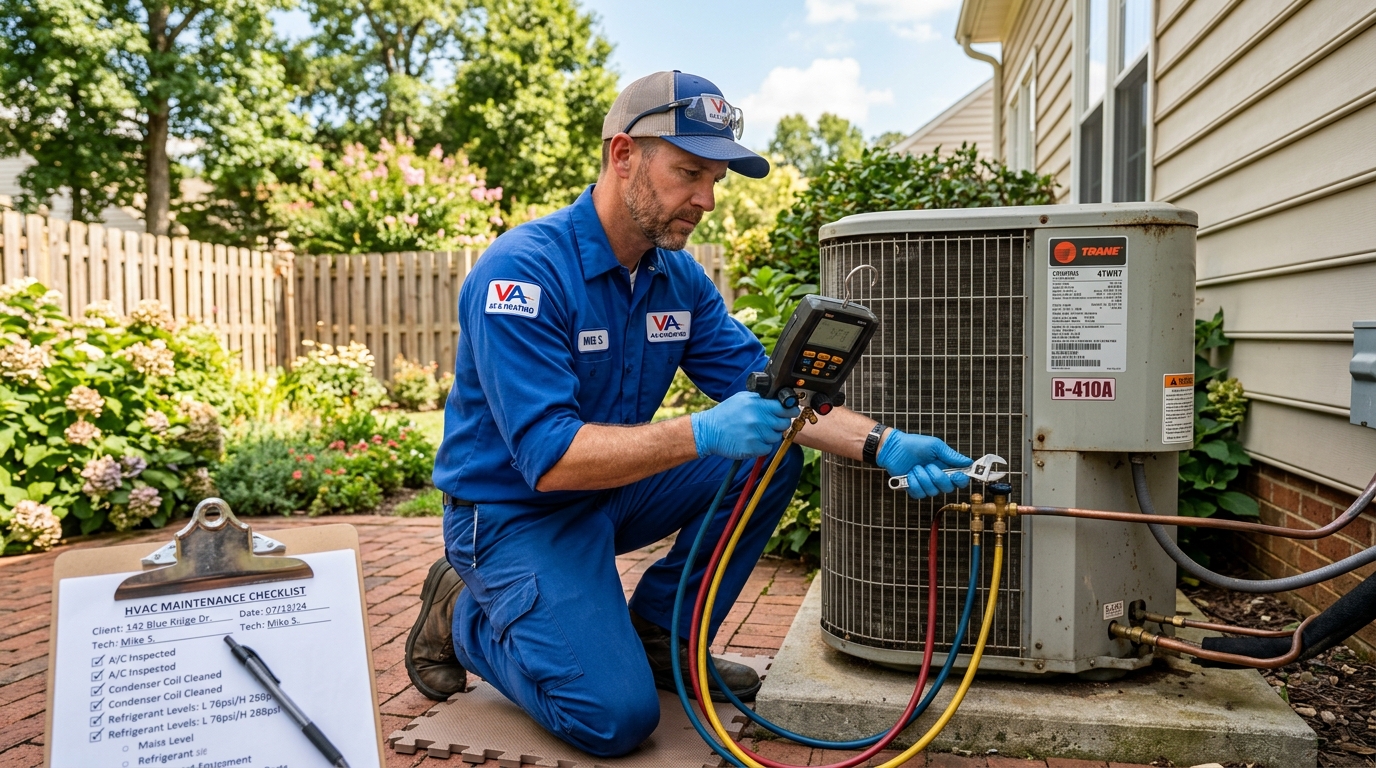
Having a qualified professional service your air conditioning unit once a year typically costs around $85. That is a small investment compared to the average home insurance claim of about $1,500, plus your deductible. A qualified technician will help your system run as efficiently as possible and identify small issues early, before they grow into costly repairs. Key tasks include cleaning coils, clearing debris from the outdoor unit, and checking refrigerant levels.
The funny part is, most people call a tech only after something breaks. By then, the repair bill is three times what maintenance would have cost.
Clogged condensate drain lines can cause water to back up and overflow, leading to significant water damage in and around your AC unit. An hour of preventive service often between $150 and $300 per unit is a worthwhile investment to help avoid messy damage from a simple clog.
Also, according to the Insurance Information Institute (III), keeping good maintenance records is one of the best ways to support a claim if you ever need to file one. Insurers look more favorably on homeowners who take care of their systems.
Document Everything Before a Storm Season
Before every summer season in Virginia, walk around your home and take photos of your outdoor condenser unit, your ductwork access points, and your thermostat. Note the age and model of your system. Store these in a cloud folder.
If a hail storm or wind damage event hits, you will already have “before” photos. That makes the insurance claims process so much easier.
Conclusion
Homeowners insurance can absolutely help you pay for AC repair in Virginia, but only when the damage comes from a covered event like lightning, wind, hail, fire, or vandalism. It will not cover your system if it just wore out over time or was not maintained properly.
The best thing you can do is know your homeowners insurance policy before something breaks. Add equipment breakdown coverage if your system is newer and valuable. Keep up with annual maintenance. And always document damage before calling anyone for repairs.
A little prep goes a long way when a Virginia summer hits hard and your AC unit decides to quit.
Frequently Asked Questions
Does homeowners insurance cover AC repair in Virginia if the unit is old?
Usually not. If your AC unit stopped working because of age or lack of maintenance, that is considered wear and tear and is not covered under a standard homeowners insurance policy. If the damage came from a covered event like a lightning strike or hail damage, age alone may not disqualify the claim, but your insurer may factor it into the payout.
What is the difference between homeowners insurance and a home warranty for HVAC?
Homeowners insurance covers damage from sudden, unexpected events like storms or fire damage. A home warranty covers breakdowns that happen from normal use or age. If your HVAC system just stopped working one day without any outside cause, a home warranty is more likely to help than your home insurance policy.
Will homeowners insurance pay for a full HVAC replacement in Virginia?
It can. If the damage was caused by a covered peril and the system cannot be repaired, your insurer may pay for a full replacement up to your coverage limits, minus your deductible. The $5,000 rule is a helpful guide: if the repair cost is more than $5,000 and the system is aging, replacement might make more sense.
Does homeowners insurance cover water damage from a clogged AC drain line in Virginia?
It depends on how it happened. If the water damage came from a sudden, accidental event, like an unexpected overflow, it may be covered. But if the condensate drain line was clogged due to lack of maintenance over time, your insurer may deny the claim. This is why regular HVAC maintenance is so important.
How do I file an AC repair claim with my homeowners insurance in Virginia?
Start by taking photos and videos of the damage right away before any repairs begin. Then contact your insurance company to report what happened and get a claims adjuster scheduled. Get at least one repair estimate from a licensed HVAC contractor in Virginia. Pay your deductible and let the insurer cover the rest up to your policy coverage limits.