
Troubleshooting noisy air conditioning units is something almost every homeowner deals with at least once. One minute your AC is running quietly in the background. Next, it sounds like someone dropped a bag of bolts inside it. It is scary and annoying at the same time.
But here is the good news. Most AC noises are not random. Each sound tells you something specific about what is going wrong inside your unit. Once you know what to listen for, fixing the problem becomes a lot easier.
Why Your AC Makes Noise in the First Place
Your air conditioning unit has many moving parts working together. There is the compressor, the fan motor, the blower fan and the condenser unit. When any of these parts wear out, loosen or get blocked, they start making noise.
Think of it like your car. When something is loose or worn, you hear it. The same is true for your AC. Noise is your unit’s way of asking for help.
Most loud AC noises come from four main things: loose components, debris inside the unit, worn-out motors and refrigerant problems. Knowing which one is causing your noise is step one of troubleshooting.
Normal Sounds vs. Sounds You Should Worry About
Not every sound from your AC means something is broken. A soft humming noise from the compressor is normal. A gentle whooshing when air moves through your vents is also fine. These are signs your unit is doing its job well.
But if you hear loud banging, screeching, rattling or hissing sounds, that is different. Most central air conditioning units are designed to run at around 19 to 50 decibels. If you have to raise your voice to talk over your AC, something is not right.
The rule is simple. If the sound is new, getting louder or comes with poor cooling, act fast. Waiting only makes the damage worse and the repair bill higher.
The Most Common Noisy AC Problems and How to Fix Them
Banging and Clanking Noises: Loose Parts Inside the Compressor
I remember the first time I heard a loud banging noise coming from my neighbor’s outdoor AC unit. It sounded like someone was hitting it with a wrench. Turned out a part had come loose inside the compressor. What started as a strange sound turned into a full compressor replacement. That story taught me one thing: never ignore a bang.
A banging or clanking noise usually means something is loose or broken inside your AC. The most common cause is loose parts inside the compressor. This includes broken piston pins or disconnected connector rods.
When parts come loose, they bang against the walls of the compressor every time the unit runs. The longer you leave it, the worse it gets. If you hear this sound, turn off your AC right away and call an HVAC technician. Trying to run the unit with loose parts will cause more damage very quickly.
Rattling Sounds: Debris, Loose Screws and Fan Blades
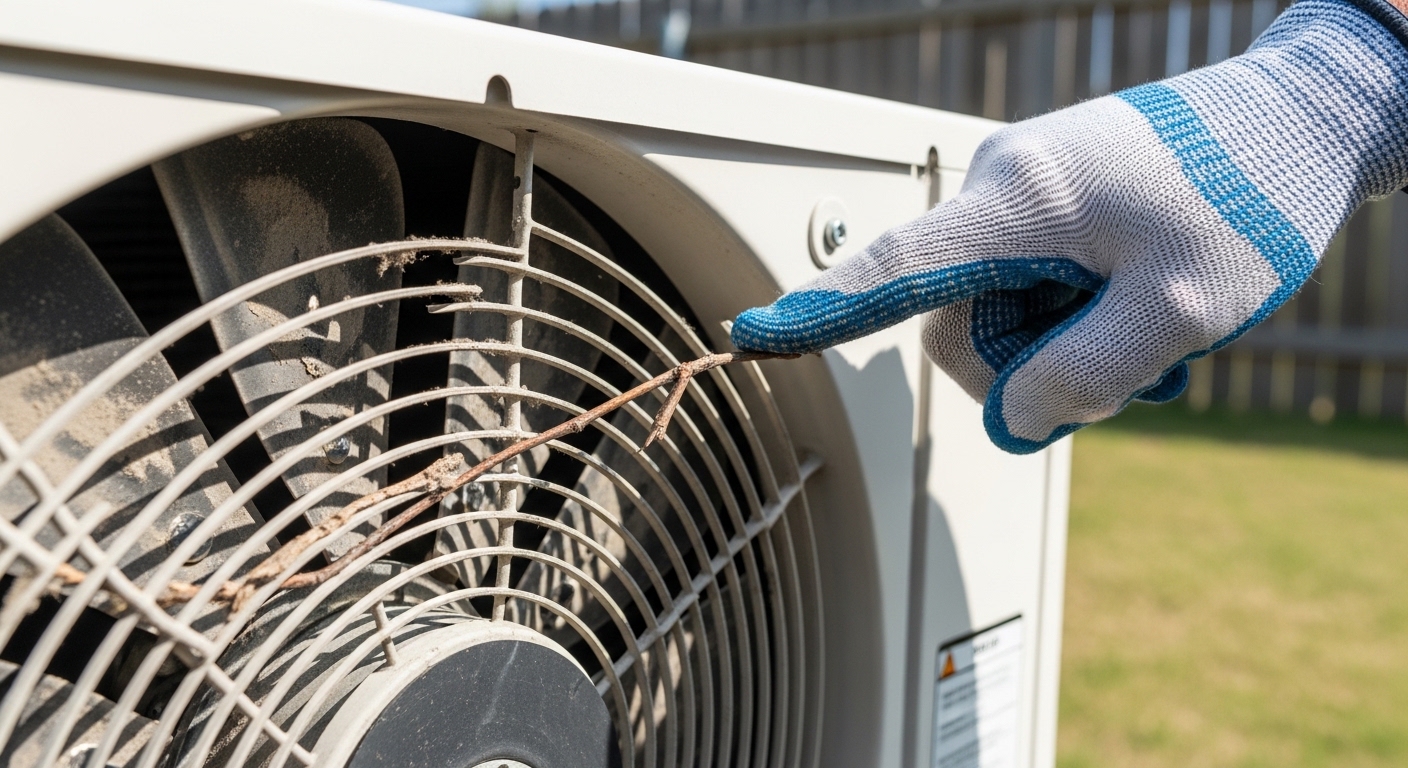
A rattling noise is one of the most common AC problems. It is also one of the easiest to fix sometimes. If you hear a steady rattle, the first thing to check is your outdoor condenser unit. Leaves, twigs and small sticks can fall inside and hit the fan blades as they spin.
Loose screws and panels can also cause a rattling sound. Over time, the vibrations from your AC loosen the screws that hold panels in place. Tightening them up is something most people can do themselves in under ten minutes.
If the rattle keeps going after you clean the unit and tighten all the screws, it could be a more serious problem like a damaged electrical contractor. That is the time to stop the DIY fixes and call a professional.
Hissing, Buzzing and Clicking: What These Sounds Mean
Hissing Noise: Could Be a Refrigerant Leak
A hissing noise from your AC is one of the more serious sounds you can hear. In most cases, it means your system has a refrigerant leak. The refrigerant lines can develop small cracks or holes over time. When the pressurized gas escapes, it makes a sharp hissing sound that is hard to miss.
A refrigerant leak does not just hurt your AC’s cooling ability. It can also be a health concern. According to the U.S. Environmental Protection Agency (EPA), certain refrigerants can be harmful when inhaled in large amounts and should only be handled by licensed technicians. You can learn more about safe refrigerant handling at the EPA’s official refrigerant management page.
If you hear hissing and notice that your AC is not cooling as well as it used to, do not wait. Turn the unit off and call a professional right away. Never try to fix a refrigerant leak yourself.
Buzzing and Clicking: Electrical Problems and Faulty Switches
Honestly, when I first heard a buzzing sound from my own AC, I thought it was just a bee stuck somewhere near the unit. I ignored it for two days. Then the AC stopped starting altogether. It was the capacitor. A simple replacement could have been done right away, but I waited and caused extra stress on the compressor. Lesson learned.
Buzzing noises from your AC can mean several different things. Loose or unbalanced fan blades can cause buzzing. A faulty outdoor fan motor can buzz. Dirty condenser coils can buzz too. But the most common cause is an electrical problem.
If you hear a buzzing sound along with your AC struggling to start, the issue might be with the capacitor. The capacitor gives the compressor and fan motors the push they need to start. When it fails, it makes a rapid clicking or buzzing sound as the unit tries and fails to turn on.
A clicking noise is normal at the beginning and end of a cooling cycle. But if you hear constant clicking while the AC is running, that usually means a faulty thermostat relay or a problem with the contactor relay switch. These parts need to be replaced by a licensed technician. Do not ignore them.
Screeching, Grinding and Humming: When to Call a Pro
Screeching and Squealing: Damaged Fan Motors
There are few sounds more alarming than a high-pitched screeching noise coming from your AC. It gets your attention fast and for good reason. It almost always means something serious is going on with your fan motor.
The most common cause of screeching or squealing is a damaged fan motor in your outdoor condenser unit. Your AC’s condenser fan removes heat from the refrigerant as part of the heat exchange process. When the fan motor starts to fail, it screams.
Screeching can also come from a broken blower fan motor inside your home. The blower fan pulls warm air from your rooms through the return ducts and sends it to your cooling system. If its motor is wearing out, you will hear it. Both of these issues need to be fixed by a professional right away.
Grinding and Humming: Worn Bearings and Relay Switch Issues
A neighbor of mine ignored a grinding noise from her AC for almost three weeks. She thought it was just “how the unit sounds in summer.” By the time she called a technician, the motor bearings had worn down completely and destroyed the blower fan. What would have been a 200-dollar fix turned into an 800-dollar repair. Please do not make that mistake.
A grinding noise from your AC is never normal. It usually comes from worn-out motor bearings inside the compressor or the blower fan. When bearings wear out, metal parts rub against each other and make that rough grinding sound. Left alone, this can destroy the motor completely.
A constant humming noise is often a sign of a bad contactor relay switch. This part is what starts your outdoor condenser unit when your thermostat sends the signal. When it fails, the unit hums but does not start properly.
Both grinding and humming issues need a trained HVAC technician to fix. These are not safe DIY jobs. The parts involved are delicate and the system runs on high voltage that can seriously hurt you if handled without training.
Simple Fixes You Can Try at Home First
Check and Replace Your Air Filter
This is the one fix that surprises most people. A dirty air filter can cause your AC to make noise. When the filter gets clogged, your blower motor has to work much harder to pull air through it. That extra effort creates noise and also puts stress on your whole system.
I always tell people to check their air filter first before calling anyone. It takes two minutes. Pull it out and hold it up to the light. If you cannot see light through it, replace it now. Most filters should be changed every one to three months depending on how much you use your AC.
A clean air filter also helps prevent frozen evaporator coils, which can cause buzzing and other strange sounds. It is the cheapest step in any maintenance schedule and the most overlooked one.
Clean the Outdoor Unit and Tighten Loose Screws
Your outdoor condenser unit sits outside all year long. It collects leaves, dirt, grass and other debris. When that buildup gets inside, it blocks airflow and hits the fan blades, creating rattling and buzzing noises.
Turn off the power to the unit first. Then remove the outer panel and gently clean the fan area. Remove any sticks or leaves you find. While you are there, check all the screws on the panels and tighten any that feel loose. This one step removes a surprising number of noise issues.
Also check whether the refrigerant lines are touching a wall or surface nearby. If they are, the contact creates vibrations and a pulsating noise. You can fix this by adding foam rubber insulation sleeves around the lines to stop them from rubbing against anything solid.
When Repair Is Not Enough: Time to Replace Your AC
Signs Your AC Is Too Old to Fix
Most air conditioners last between 10 and 15 years. After that, parts start breaking down faster than you can fix them. If your AC is more than 12 years old and keeps making new noises every few months, repair costs add up fast. At some point a new unit costs less in the long run than constant repairs.
According to a study published by the American Council for an Energy-Efficient Economy (ACEEE), replacing an old, inefficient AC unit with a newer energy-efficient model can reduce cooling energy consumption by up to 50 percent. You can find that information at the ACEEE appliance standards page.
Other signs it is time to replace: your AC no longer cools the home evenly, your electricity bills keep rising even though usage stays the same, and the compressor has already been repaired or is now failing again.
How to Reduce Noise Until You Get a New Unit
When my own AC started giving up last summer, I had to wait about six weeks before I could afford a replacement. During that time I wrapped the compressor in a sound blanket, planted some tall shrubs on two sides of the unit and added rubber pads underneath. The noise dropped noticeably. It was not perfect, but it made those six weeks a lot more livable.
If you need to wait before replacing your AC, there are a few things that can help. One option is an AC sound blanket. This wraps around the compressor and can cut noise by up to 50 percent. It is made from acoustic insulation and fits around the unit’s interior without blocking any airflow.
You can also plant shrubs or build a small wooden fence around the outdoor unit to block sound. Just make sure there is at least 3 feet of space on all sides for proper airflow. Blocking airflow to quiet the noise will only create bigger problems inside the unit.
Adding rubber vibration dampeners under the unit can also reduce the vibration noise that travels through your floor or walls. These are cheap, easy to install and make a real difference.
Conclusion
Troubleshooting noisy air conditioning units does not have to be complicated. Most sounds tell you exactly what is wrong if you know how to listen. Banging and clanking mean loose parts. Hissing points to a refrigerant leak. Screeching means your fan motor is failing. Rattling is usually debris or loose screws.
Start with the simple fixes first. Check your air filter. Clean your outdoor unit. Tighten loose screws. If the noise keeps going, call a licensed HVAC technician before the problem gets worse and costs more to fix.
Your AC is built to cool your home quietly. When it starts making noise, it is asking for attention. Give it that attention early and it will last a lot longer. I’d love to hear your thoughts. Have you dealt with a noisy AC before? What sound was it making and how did you fix it?
Frequently Asked Questions
Why is my air conditioner suddenly making a loud noise?
A sudden loud noise usually means something inside the unit has come loose or broken. Common causes include loose parts in the compressor, debris hitting the fan blades or a failing fan motor. Turn off the unit and check for anything obvious. If you cannot find the cause, call an HVAC technician right away.
Is it safe to keep running my AC when it is making noise?
It depends on the sound. A soft hum or gentle clicking at startup is usually fine. But if you hear banging, screeching, hissing or grinding, stop using the unit right away. Running it with these sounds can cause serious damage to the compressor and other expensive parts.
Can a dirty air filter cause my AC to make noise?
Yes, it can. A clogged air filter forces the blower motor to work harder than it should. This extra strain can cause rattling, buzzing and humming sounds. Replacing a dirty air filter is one of the easiest and cheapest fixes you can make and it takes less than five minutes.
How much does it cost to fix a noisy air conditioner?
The cost depends on the problem. Cleaning the unit and tightening screws costs almost nothing. Replacing a capacitor may cost 150 to 300 dollars. Fixing a refrigerant leak or replacing a fan motor can cost 300 to 600 dollars. Replacing the compressor can cost 1,300 to 2,500 dollars. Getting a diagnosis early almost always helps avoid the higher costs.
When should I call an HVAC technician for a noisy AC?
Call a professional if you hear screeching, grinding, hissing or constant clicking. Also call if simple fixes like filter replacement and cleaning do not stop the noise. Electrical problems, refrigerant leaks and compressor issues are not safe to handle yourself. A licensed HVAC technician has the tools and training to fix them safely.