If you live in Richmond, VA, you already know how brutal the summers can get. The heat is one thing, but the humidity is what really makes your air conditioning system work overtime. I learned this the hard way when my AC stopped cooling in mid-July, and I had no idea what went wrong. That one breakdown cost me over $400. After that, I started taking AC maintenance seriously, and so should you.
Why AC Maintenance Matters More in Richmond, VA
Richmond has what weather experts call a humid subtropical climate. That means long, hot summers and enough moisture in the air to make your AC work around 49% harder than in drier regions. When your system runs that hard without regular care, parts wear out fast.
According to the U.S. Department of Energy, skipping regular air conditioner maintenance causes a drop in performance and a rise in energy bills over time. That’s not just a small increase; we’re talking about real money every month.
On top of that, Richmond’s high pollen count in spring and summer clogs air filters faster than in most other cities. Add in autumn debris, pine needles, and the occasional thunderstorm, and your outdoor condenser unit takes a serious beating year-round.
How Richmond’s Climate Affects Your Cooling System
Richmond summers push dew points above 70°F regularly. Your AC unit is working not just to lower the temperature, it’s also removing moisture from the air inside your home. That extra workload puts stress on the compressor, the evaporator coil, and the condensate drain.
The Fan District, Church Hill, and other older neighborhoods in Richmond often have homes with original ductwork that leaks air. According to ENERGY STAR, a typical house loses 20 to 30 percent of cooled air through leaky duct systems. That’s cold air you’re paying for that never reaches your rooms.
Your Complete AC Maintenance Checklist for Richmond, VA Homeowners
This is the checklist I wish someone had handed me before that July breakdown. I’ve broken it into what you can do yourself and what needs a professional. Both matter.
DIY Tasks You Can Do Every Month
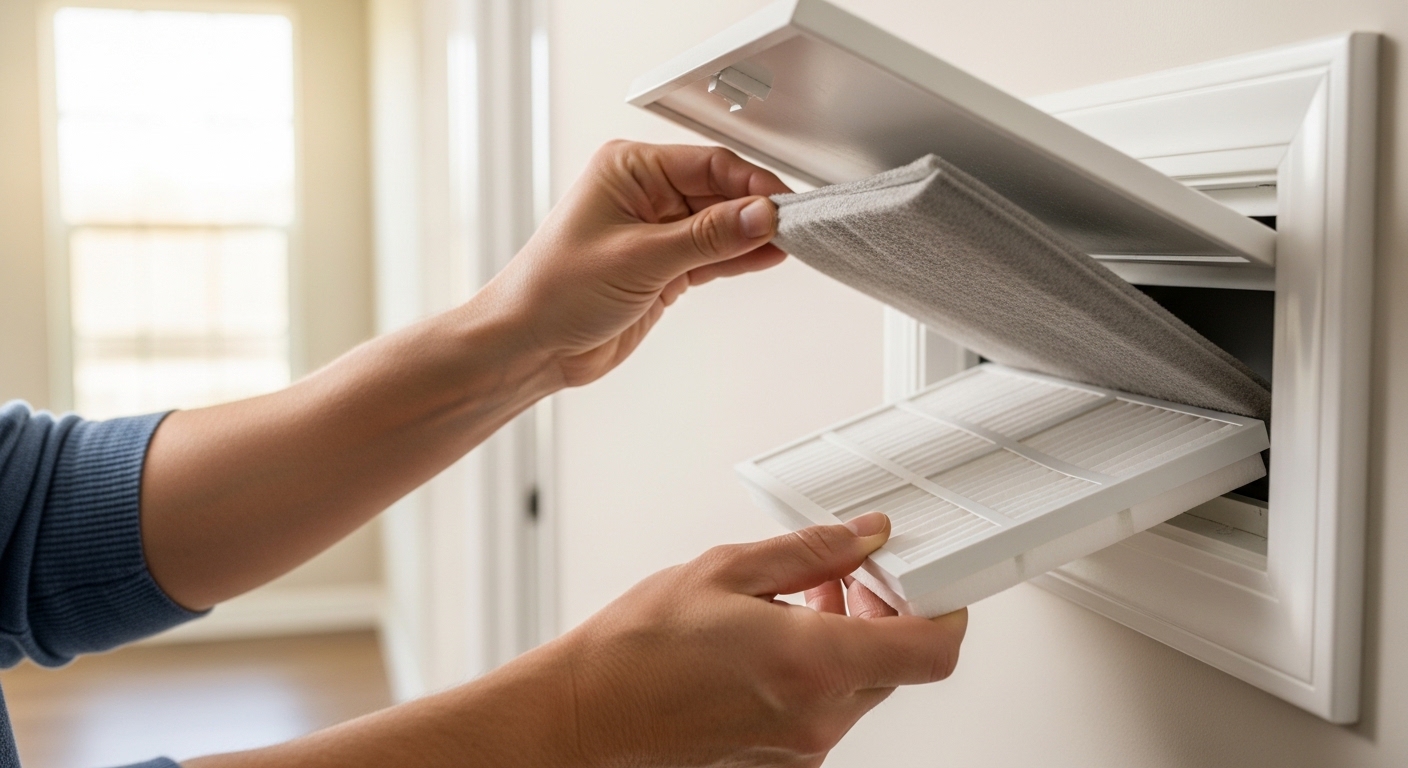
Replace or check your air filter. This is the single most important thing you can do. A dirty air filter blocks airflow, forces your system to work harder, and lets dust build up on the evaporator coil. The U.S. Department of Energy says to check your filter every month during the cooling season and replace it if it looks gray or clogged.
In Richmond, with the pollen and humidity, I’d replace it every 4 to 6 weeks during summer, not every 3 months as the box says. If you have pets, do it even more often.
Check your vents and registers. Walk through your home and make sure every supply vent and return register is fully open. A lot of people close vents in rooms they don’t use, thinking it saves energy. It doesn’t — it actually puts extra pressure on your whole HVAC system and can cause it to work less efficiently.
Clear the area around your outdoor unit. Your condenser unit outside needs room to breathe. Leaves, grass clippings, and yard debris build up fast in Richmond, especially in the fall. Keep at least 2 feet of clear space on all sides. Trim any shrubs or branches nearby. I also gently spray the outside of the unit with a garden hose on low pressure to knock off dust and pollen from the condenser coils.
Seasonal Tasks: Spring and Fall Check-Ins
Spring is the most important time to get your AC ready. Richmond summers come fast, and by late May, the heat is already here.
Clean the condensate drain line. This little pipe removes all the moisture your AC pulls from the air. When it gets clogged and in Richmond’s humid conditions, it does — water backs up and can cause damage to your home. You can flush it with a mix of water and a small amount of bleach once a season to keep it clear. The ENERGY STAR maintenance checklist specifically calls this out as a critical step to prevent water damage and maintain healthy indoor humidity levels.
Inspect your ductwork for leaks. Go into your attic, basement, or crawl space and look for any sections of ductwork that look disconnected, have visible gaps, or feel drafty when the system is running. Use mastic sealant or metal tape to seal small gaps yourself. Never use regular duct tape; it doesn’t last.
Test your thermostat. Before the hot weather hits, turn on your AC and check that the thermostat is reading the right temperature and that the system responds quickly. If you still have an old dial thermostat, it’s worth upgrading to a programmable or smart thermostat. According to the U.S. Department of Energy, adjusting your thermostat by just 7 to 10 degrees for 8 hours a day can save up to 10% on your energy costs annually.
Professional AC Maintenance: What the Technician Should Check
I used to think the DIY stuff was enough. It’s not. There are parts of your air conditioning system that need a trained technician, someone with tools and certifications to do the job safely.
What a Professional AC Tune-Up Covers
A proper AC tune-up in Richmond should cover all of the following. If any service company skips these, ask why.
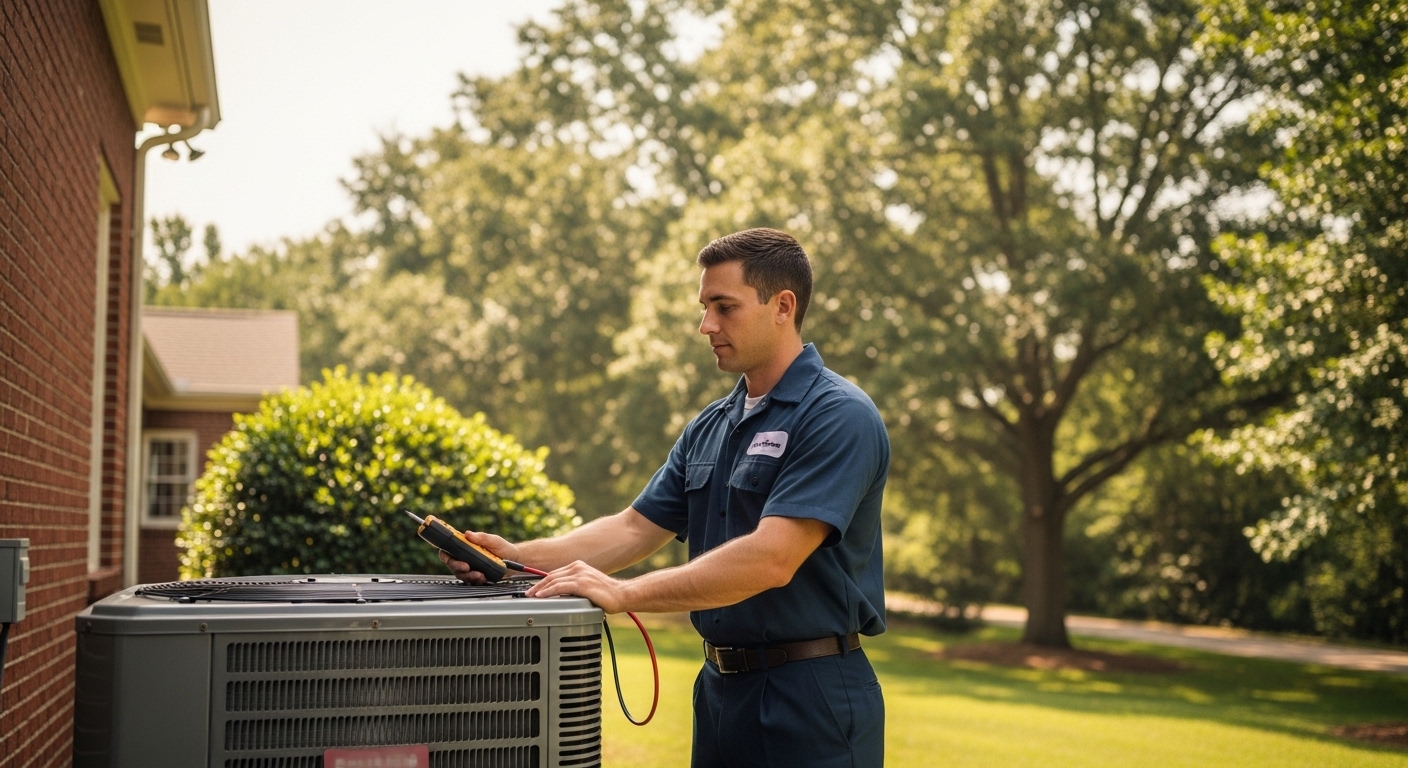
Refrigerant level check. Your refrigerant — the fluid that actually cools your home — must be at the right level. Too little and your system works harder without cooling well. Too much causes its own problems. Only a certified technician can legally handle refrigerants, so don’t skip this one. A low level often means there’s a leak, which needs to be fixed before adding more.
Evaporator and condenser coil cleaning. Over time, both the indoor evaporator coil and the outdoor condenser coil collect dirt. Dirty coils reduce how well your system transfers heat, which means longer run times, higher energy bills, and faster wear on the compressor. A technician cleans these coils properly without bending the delicate aluminum fins.
Electrical connection tightening. Loose electrical connections are one of the most common causes of system failures. A technician checks and tightens all connections, tests voltage, and looks for any signs of burning or damage.
Blower component adjustment. Proper airflow through your home depends on the blower running correctly. If it’s dirty or out of balance, you get uneven cooling, some rooms too hot, some too cold. The technician cleans the blower and adjusts it for proper system airflow.
Condensate drain inspection. The tech will check that the drain is clear and draining properly, making sure no mold or blockage could cause a backup.
When Should You Call for Emergency AC Service in Richmond?
Some signs mean your system needs help right now, not next week.
You hear strange sounds like rattling, buzzing, or grinding when the AC runs. That’s almost always something loose or broken inside. You smell a burning odor from the vents; that’s an electrical issue and you should turn the system off immediately. Your energy bill suddenly jumps without any change in how you’re using the system. You see ice forming on your outdoor unit or on the refrigerant lines. You notice your home feels more humid than usual, even though the AC is running, which often means the system isn’t removing moisture properly.
Honestly, if anything feels “off,” call a local Richmond HVAC company and describe what you’re seeing. It’s always cheaper to fix something small than wait for a full breakdown in mid-August.
Richmond-Specific AC Tips Most Guides Skip
Living in Richmond is different from living in, say, Denver or Phoenix. The moisture here is relentless, and your home needs some extra steps that generic guides don’t mention.
Humidity Control Is Half the Battle
Your air conditioner removes some moisture as it cools, but in Richmond summers, one AC unit often isn’t enough. Consider adding a whole-home dehumidifier or a portable unit in your basement or crawl space. The Virginia Department of Health notes that mold grows rapidly when indoor humidity goes above 65%, and Richmond regularly hits those conditions in summer.
If your home feels sticky even when the AC is running, and your system seems to be cycling on and off often, that’s a sign it may be oversized. A unit that’s too big cools the space quickly, but doesn’t run long enough to remove enough moisture. This is worth discussing with an HVAC professional if you’re ever replacing your system.
Take Advantage of Dominion Energy Rebates
Here’s something most homeowners in Richmond miss: Dominion Energy offers rebates and incentives for upgrading to energy-efficient equipment, including smart thermostats and ENERGY STAR-certified systems. If you’re already planning to replace an older unit or upgrade your thermostat, check Dominion Energy’s current programs first. You could save hundreds of dollars on the cost of new equipment, and the long-term energy savings make it even more worthwhile.
How Often Should Richmond Homeowners Schedule AC Maintenance?
The short answer: twice a year. Once in spring, before the cooling season begins, and once in fall, before you switch over to heating. Spring is the most important time for your AC, specifically.
Spring Service vs. Fall Service: What’s the Difference?
Spring service focuses on getting your air conditioning system ready for the heavy workload ahead. That means checking refrigerant levels, cleaning coils, inspecting ductwork, and making sure all electrical components are tight and ready.
Fall service is more about wrapping things up. You want to make sure your outdoor unit is clean before winter, clear any debris that has built up through summer, and protect the unit from leaves and moisture over the colder months. Some homeowners put a breathable cover over the top of the unit, not the sides, to keep leaves out while still allowing airflow.
I do my spring service in late March or early April, before the rush. HVAC companies in Richmond get very busy in May and June, and you want to be at the front of the line before the heat hits.
Conclusion
Staying on top of your AC maintenance in Richmond, VA, is not complicated, but it does take some consistency. Replace your air filter regularly, keep your outdoor unit clear, clean your condensate drain, and get a professional tune-up every spring. These simple steps protect your system, lower your energy bills, and keep your home comfortable through even the worst Richmond summers. If you haven’t had your system serviced recently, now is the perfect time to schedule that appointment. I’d love to hear what maintenance tips have worked for you. Drop your experience in the comments below!
Frequently Asked Questions
How often should I replace my AC air filter in Richmond, VA?
In Richmond, replace your air filter every 4 to 6 weeks during the cooling season because of the high pollen count and humidity. If you have pets or anyone with allergies at home, check it even more often. A clean filter protects your evaporator coil, improves indoor air quality, and keeps your system running without extra strain.
What is the best time to schedule AC maintenance in Richmond?
Schedule your professional AC tune-up in late March or early April, before the summer rush. Richmond’s cooling season starts early, and HVAC companies get booked up quickly in May and June. Getting your system serviced in spring means you catch any issues before the real heat arrives, and you avoid the long wait times.
Why does my home feel humid even with the AC running?
If your home still feels sticky with the air conditioning on, your system may be oversized. A unit that’s too large cools the air fast but doesn’t run long enough to properly dehumidify the space. Richmond’s humid subtropical climate makes this a common issue. A whole-home dehumidifier can help, or consult an HVAC professional about whether your system is properly sized for your home.
How do I know if my AC refrigerant is low?
Signs of low refrigerant include weak cooling even when the system runs for a long time, ice forming on the outdoor unit or refrigerant lines, and a hissing or bubbling sound near the unit. A low refrigerant level usually means there’s a leak somewhere. Only a certified HVAC technician can legally test and recharge refrigerants, so call a professional if you notice these signs.
Can I cover my outdoor AC unit in the winter in Richmond?
You can place a breathable cover over just the top of your condenser unit to keep leaves and debris out during fall and winter. Do not wrap the entire unit in a solid cover that traps moisture and can encourage mold and rust. In Richmond’s mild winters, the unit typically doesn’t need full protection, but keeping yard debris cleared from around it year-round is always a good habit.