Heating bills can feel scary when they keep going up. I’ve seen families do everything right and still pay too much. This story is about how small changes, done the right way, helped one family lower their heating cost without stress. If high bills worry you too, this will feel very real.
An energy-efficient HVAC system helps your home stay warm while using less power. It works smarter, not harder. This means lower heating bills, steady comfort, and less strain on the system over time.
Why Heating Costs Keep Going Up for Many Homes
Heating bills don’t jump up for just one reason. Most of the time, it’s a mix of small problems that grow over the years. When these stack up, your heating costs can rise fast without you noticing why.
Old systems work harder than they should
Many homes still use an older HVAC system. These systems can still run, but they use more power to do the same job.
When a system is old, it turns on more often and stays on longer. That extra run time shows up on the bill.
I saw this happen in my own home a few winters ago. My heater still worked, so I ignored it. The funny part is, I kept blaming the weather. Later, I learned the system was using more power because it could not keep heat inside the house.
Heat escapes without you seeing it
Warm air can slip out through small gaps. This can happen in ducts, doors, or weak spots in walls. When heat leaks out, the system keeps pushing more warm air to make up for it. That means more power use and higher bills. Most people don’t notice this because the house still feels warm.
But behind the scenes, the system is working overtime. According to the U.S. Energy Information Administration, heating is the largest energy use in most homes, which is why even small efficiency problems can cause heating bills to rise quickly.
Poor airflow makes heating uneven
If the air does not move well, some rooms feel cold while others feel fine. When this happens, people turn the heat up higher. This adds even more stress to the system. I once made this mistake myself. One cold room made me raise the thermostat. That one small choice pushed my bill higher all month.
Low efficiency adds up over time
A system that is not energy-efficient uses more power every single day. One day of waste may feel small. A full season of waste becomes expensive. This is why heating bills often rise slowly at first, then suddenly feel out of control. Have you noticed your heater running longer than it used to? That’s often the first quiet warning sign.
A Family’s Heating Problem
The first signs that something was wrong
At first, the problem did not feel big. The heat came on. The house felt warm. Life felt normal. But little signs started to show up. The heater ran longer than before.
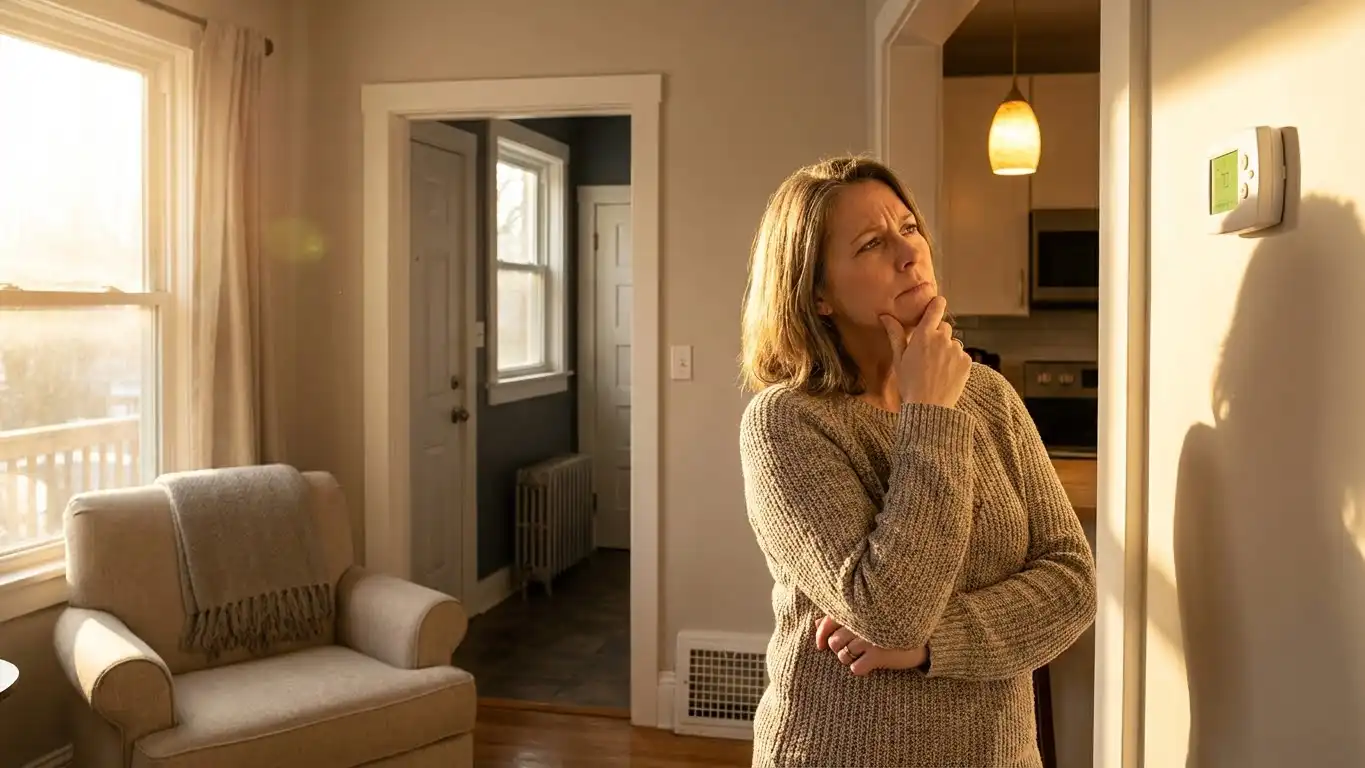
The air felt dry. Some rooms warmed fast, others stayed cool. When heating works but does not work well, it tricks you. You think everything is fine because the house is not freezing. But behind the scenes, the system is struggling.
Heating bills that did not make sense
Month after month, the heating bill kept going up. Nothing else changed. The family did not add new rooms. They did not use more heat on purpose. Still, the cost kept rising. This is a common problem with energy-efficient HVAC systems that are no longer efficient.
They still heat the home, but they waste power while doing it. That wasted power shows up as money lost. The hardest part is not knowing why the bill is high. When there is no clear reason, people often blame the weather or power prices. In many cases, the real cause is hiding in the system itself.
Uneven warmth across the home
One room felt fine. Another felt cold. A third felt warm only after hours. This uneven heat caused frustration. To fix it, the thermostat was turned up higher. That one small action made the problem worse. When the thermostat goes up, the HVAC system runs longer. Longer run time means more energy use.
More energy use means higher bills. Uneven heating is a sign that air is not moving the right way. It can also mean the system is not strong enough anymore or is losing heat before it reaches each room.
Noise and constant cycling
The heater turned on and off more than it used to. The sound became more noticeable. This on-and-off behavior is called short cycling. It wears the system out faster and uses extra power.
A healthy energy-efficient HVAC system runs steadily and smoothly. When a system cycles too often, it is trying to fix a problem it cannot solve on its own. Over time, this leads to more wear, more repairs, and higher heating costs.
Comfort stress inside the home
Heating problems do more than raise bills. They affect daily comfort. Cold floors in the morning. Hot air that feels stuffy. Dry skin and sore throats from uneven heat. These things add stress to daily life. People stop feeling relaxed in their own homes. Heating should feel quiet and steady, not like something you have to think about all day.
Confusion about what to fix first
The family did not know where to start. Should they repair the system? Replace parts? Change how they use the thermostat? This confusion is common. Without clear answers, many people delay action. During that delay, the system keeps wasting energy and money.
The truth is simple. When heating problems stack up like this, they usually point to one thing. The system is no longer working in an energy-efficient way.
How the Home Was Checked and Tested
Starting with a full system check
The first step was a full look at the HVAC system.
This is not a quick glance. It means slowing down and checking how the system works as a whole.
The goal was simple. Find out where heat was being lost and why the system used so much power.
During this step, the focus stayed on energy use, not just broken parts. A system can look fine and still waste energy every day.
What was checked during the visit
Several key areas were reviewed to understand the real problem:
- How old the heating system was and how often it ran
- If the system size matched the home
- Airflow strength from room to room
- Signs of heat loss before warm air reached living spaces
- How well the system responded to thermostat changes
Each of these points affects how energy-efficient HVAC systems perform over time.
Airflow and heat movement
Airflow matters more than most people think.
If warm air cannot move freely, the heater keeps running longer to make up for it.
This home showed signs of uneven air movement. Some rooms received warm air fast. Others lagged behind.
That imbalance forced the system to work harder than needed.
Poor airflow is one of the biggest reasons heating bills rise quietly.
Efficiency vs. performance
A system can heat a home and still be inefficient.
That’s why performance and efficiency were reviewed side by side.
Here’s a simple breakdown that helped explain the issue:
| Area Checked | What It Showed | Why It Matters |
| System age | Older model | Older systems use more power |
| Run time | Long cycles | More energy use |
| Airflow | Uneven | Heat loss and comfort issues |
| Energy output | Lower than expected | Higher heating cost |
This made it clear that the problem was not just one small issue. It was the system working harder than it should have every day.
Why testing matters before fixing anything
Skipping this step often leads to wasted money. Replacing parts without testing can hide the real problem instead of fixing it.
By testing first, it became easier to see whether small fixes would help or if a bigger change was needed. This approach protects homeowners from spending money twice.
In my experience, the best results always come from understanding the full picture first.
The Energy-Efficient HVAC Solution That Made Sense
Looking for a smart fix, not a quick fix
The goal was not to sell the biggest system. The goal was to lower heating costs and fix comfort issues for the long run. An energy-efficient HVAC solution focuses on how a home really uses heat. It looks at daily habits, room layout, and system load instead of guessing. This approach helps avoid systems that are too strong, too weak, or waste power.
Why energy efficiency was the right path
Older systems often heat well but waste energy while doing it. Newer systems are built to heat homes using less power and less run time.
Here’s what made an energy-efficient HVAC system the best choice:
- It uses power in a steady way instead of turning on and off too often
- It delivers warm air more evenly to every room
- It lowers strain on parts, which helps the system last longer
- It reduces heating costs without changing comfort
Efficiency is not about feeling less warm. It’s about getting the same warmth with less effort.
Matching the system to the home
One big reason heating bills rise is poor system matching. If a system is too big, it wastes power. If it is too small, it runs all the time.
The recommended solution focused on balance:
- Proper system size for the home
- Strong but steady airflow
- Clean heat delivery without spikes
This balance helps an HVAC system work calmly instead of constantly pushing itself.
Features that support lower heating bills
The system choice focused on features that quietly save money over time:
- Higher efficiency ratings that reduce energy use
- Better heat control to avoid overheating rooms
- Smooth operation that avoids short cycling
- Smart response to thermostat settings
These features work together. No single feature saves money alone, but combined, they make a big difference.
Why replacement was better than repair
Small repairs can help for a short time. But when a system keeps wasting energy, repairs often delay the real fix.
In this case, replacing the system made more sense because:
- Repairs would not improve efficiency much
- The old system would keep using extra power
- A new energy-efficient HVAC system would pay back in savings over time
This choice helped stop the cycle of rising bills instead of patching them.
Have you ever repaired a system again and again without seeing lower bills? That’s often a sign it’s time for a smarter solution.
Installation Day: What Changed Inside the Home
A clear plan before work began
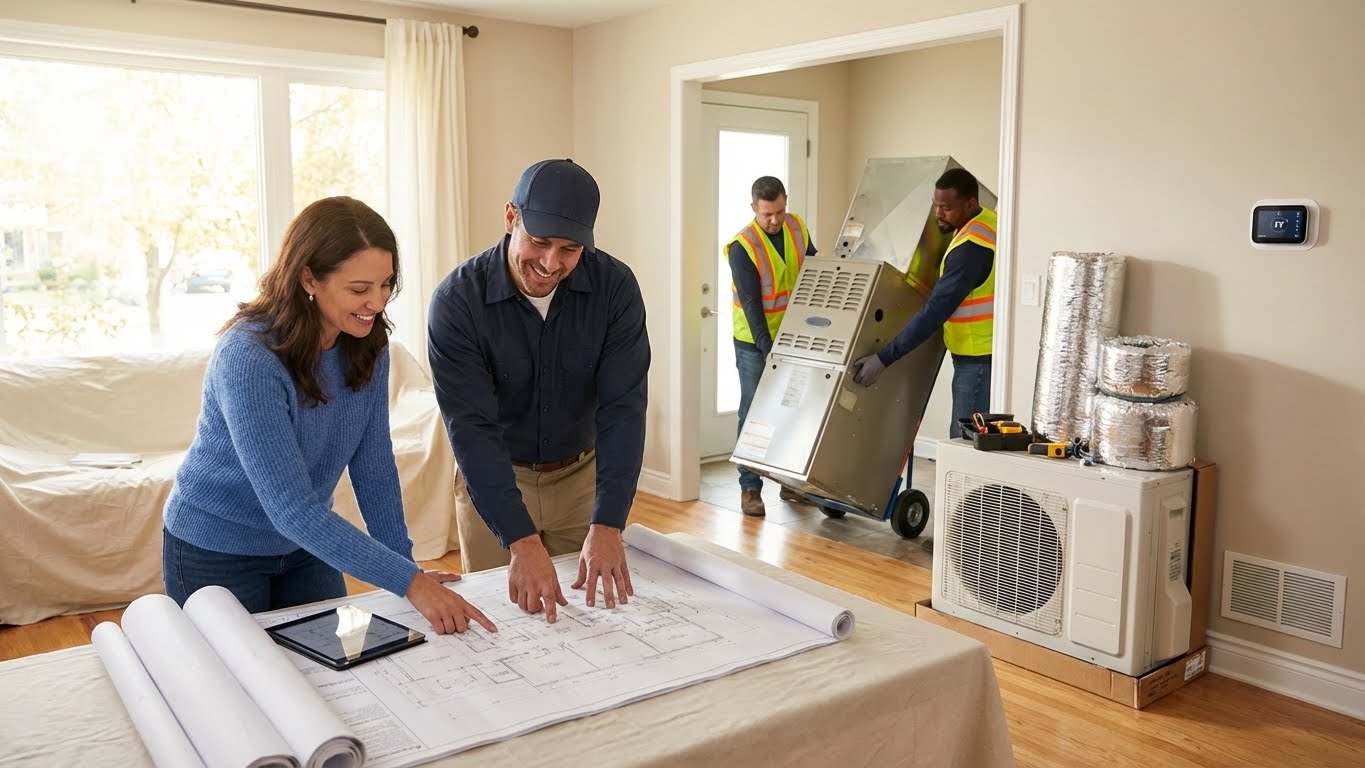
Installation day started with a clear plan, so nothing felt rushed or confusing. Everyone knew what needed to be done, which helped the work move smoothly and on time. This kind of planning matters because small mistakes during installation can affect how an HVAC system works later.
Removing the old heating system
The old heating system was removed first. It had been running for years, but it was no longer efficient and was using more energy than needed. Taking it out carefully helped protect the home and avoid damage to floors, walls, and nearby parts.
Installing the new energy-efficient system
After the old unit was removed, the new energy-efficient HVAC system was installed. The focus was on proper placement and strong connections so the system could work without strain. When a system is installed the right way, it heats the home more evenly and uses less power each day.
Improving airflow throughout the house
Once the system was in place, airflow was checked throughout the home. Each room was reviewed to make sure warm air reached it properly. Balanced airflow helps the system avoid running longer than needed, which plays a big role in keeping heating costs down.
Testing before finishing the job
Before the work was finished, the system was tested to make sure everything worked as expected. Heat output, run time, and thermostat response were all checked. Testing helps catch small issues early, before they turn into bigger problems later.
Changes felt right away
After installation, the difference was clear. Rooms warmed more evenly, and the system ran quieter than before. The heater no longer turned on and off too often, which is a key sign of an energy-efficient HVAC system working the right way.
Final Thoughts
High heating bills are often a sign that something is not working the way it should. In many homes, the problem is not how much heat you use, but how your system uses energy to create that heat. An energy-efficient HVAC system can make a real difference by cutting waste while keeping comfort steady.
From what I’ve seen, the biggest change comes when people stop guessing and start fixing the real issue. A system that runs smoothly, heats evenly, and uses less power takes stress out of daily life. Lower bills are great, but feeling comfortable without constant adjustment matters just as much.
If your heating costs keep rising and nothing seems to help, it may be time to look at efficiency instead of short-term fixes. Small changes done the right way can lead to long-term savings and better comfort for years to come.
Ready to Lower Your Heating Costs in Richmond, VA?
If your heating bills keep rising and your home never feels quite right, it may be time to take the next step. A simple check can help you see where energy is being wasted and what can be fixed.
If you’re in the Richmond area and want honest help from a local team, you can schedule a visit with Richmond Air
Getting clear answers today can help you feel more comfortable and save money tomorrow.
FAQs
What is an energy-efficient HVAC system?
An energy-efficient HVAC system heats and cools your home while using less power. It does the same job as older systems but wastes less energy. This helps lower your monthly bills and keeps the system from working too hard.
Can an energy-efficient HVAC system really lower heating bills?
Yes, it can. When a system uses less power and runs in a steady way, it costs less to operate. Over time, these savings add up, especially during colder months when heating is used more often.
Do I need to replace my system to save money on heating?
Not always. Some homes can save money with maintenance or small fixes. But if a system is old and keeps wasting energy, replacement is often the better long-term choice. In my experience, repeated repairs rarely stop high bills for good.
How do I know if my HVAC system is not efficient anymore?
Common signs include high heating bills, uneven warmth in rooms, loud operation, and the system turning on and off too often. If you notice these problems, your system may be using more energy than it should.
Does installation affect energy efficiency?
Yes, installation matters a lot. Even a good system can waste energy if it is not installed the right way. Proper setup helps air move evenly and keeps the system from running longer than needed.