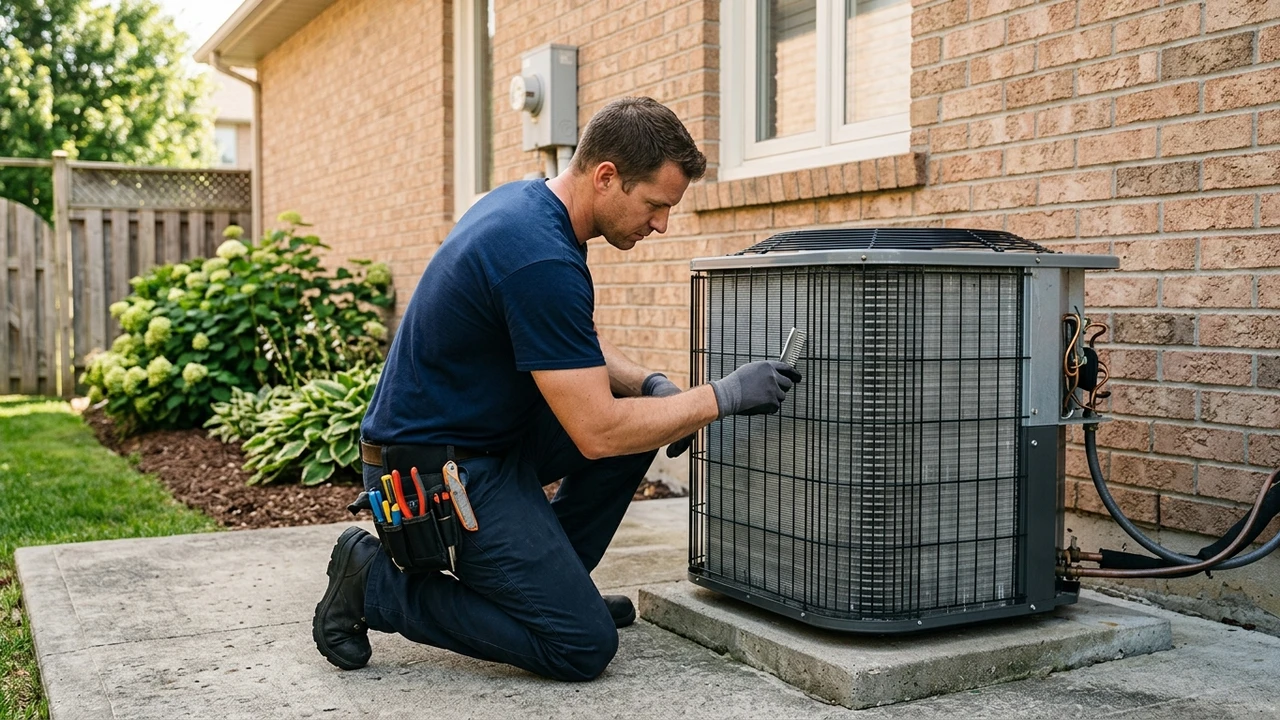
You list your home. An offer comes in fast. Then the buyer’s inspector opens up your air conditioner and everything stops cold. This is the moment I watch break deals in Richmond, and it almost never has to happen. A pre-listing AC inspection finds the trouble first, while you still hold the cards.
I have crawled through more attics and squeezed behind more outdoor units than I can count. Over the years, the pattern is always the same. Sellers who check their HVAC system before they list stay calm during negotiations. Sellers who skip it end up cutting their price at the worst possible time. This guide walks you through exactly what I look for, what it means for your sale, and why a little maintenance now saves you real money later.
What Is a Pre-Listing AC Inspection?
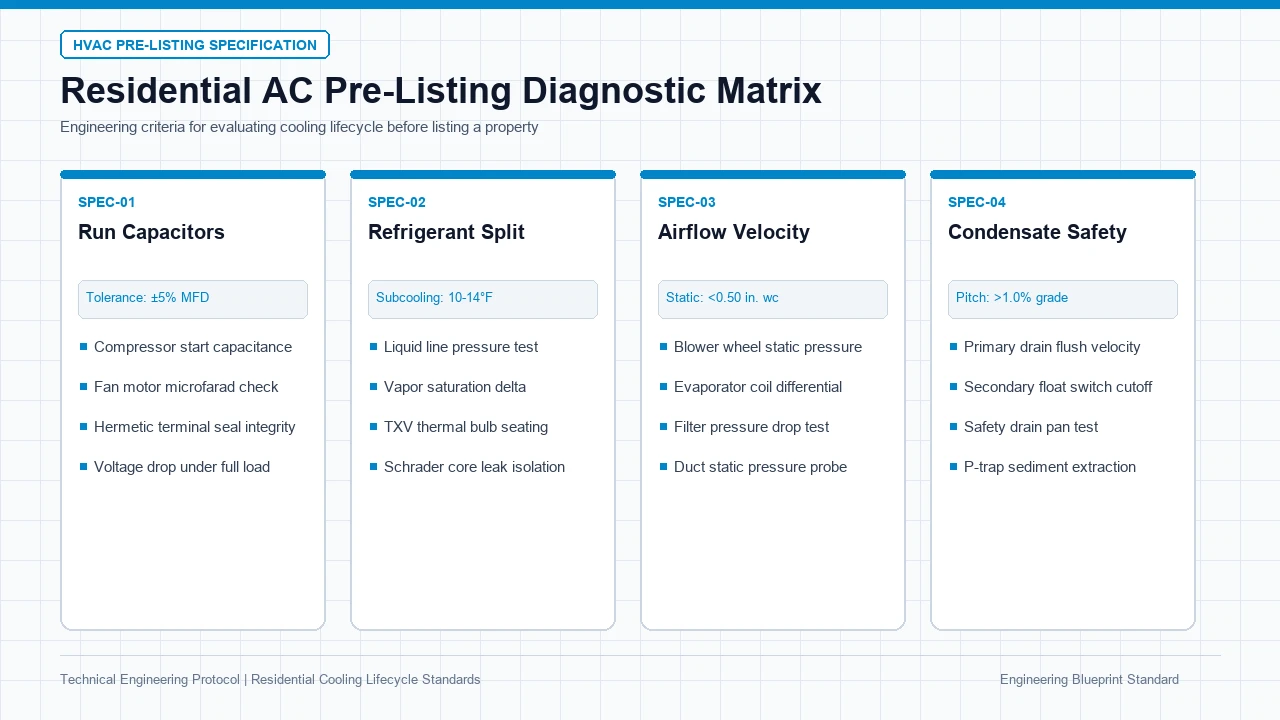
A pre-listing AC inspection is a full check of your cooling system before you put your home on the market. A technician looks at every part of the unit, tests how well it cools, and writes down the true condition of the equipment. You get this report before any buyer ever sees the house.
Think of it like a health check-up, but for your AC. The doctor does not wait for you to collapse. They look for small problems early, while they are still cheap and easy to fix. This inspection does the same job for your heating and cooling gear, and it hands you the facts in plain words.
Most sellers only think about paint and carpet before they list. They forget the machine that keeps the whole place cool through a Richmond July. Buyers do not forget it. A working, clean, well-kept system tells them the home was loved, and that feeling shows up in stronger offers.
Why Smart Richmond Sellers Book This First
In our field work, I have found that the AC is the single most common deal-shaker in a summer home sale. I have handled cases where a strong offer fell apart in 48 hours, all because a buyer’s inspector found a fault the seller never knew about. Roughly 8 out of 10 surprise repairs I see could have been caught weeks earlier for a fraction of the stress.
Here is the hard truth. When a buyer finds a problem, they hold the power. They can ask for a big repair credit. They can demand a brand-new unit. They can walk away and leave you back at square one. A pre-listing check flips that. You find the issues first, on your own time, at your own pace.
Richmond makes this even more important. Our summers are long, hot, and sticky. Buyers here know a weak AC means misery from June to September, so they look at it hard. A clean inspection report is proof your home is ready for the heat, and it puts real distance between you and the house next door.
Money is the other side of this. When you control the condition of the system, you control the cost of fixing it. You can shop around, get fair quotes, and pick the right services instead of paying rush rates under a deadline. Sellers who plan ahead almost always spend less than sellers who scramble at closing.
What the Technician Really Checks
When I run a pre-listing check, I go part by part. I am not just listening for a rattle. I test each piece, measure real numbers, and compare them against what a healthy unit should show. A cooling system has many parts, and any one of them can quietly drag down the whole thing.

The evaporator coil is a big one. That is the part inside your home that pulls heat out of the air. When it gets coated in dust and grime, your AC works harder and cools less. A dirty evaporator coil can quietly wreck an AC over time, and I catch this on more than half the older homes I visit.
Next comes the refrigerant. That is the special gas that makes your air cold. If it runs low, you almost always have a leak somewhere, because this gas is not “used up” like fuel. I check pressure levels and look for oily spots that point to hidden leaks in the lines or coils.
I also test the drain line. Your AC pulls water out of the air, and that water needs a clear path outside. When the line clogs, water backs up and can flood a ceiling or wall. Clogged AC drain line problems are one of the most common faults I find, and they cause some of the ugliest damage.
Here is a quick look at the main components I test and why each one matters:
| Component | What I Check | Why It Matters |
|---|---|---|
| Evaporator & condenser coils | Dirt, rust, bent fins | Dirty coils cut cooling and raise bills |
| Refrigerant level | Pressure, oily leak spots | Low gas means a hidden leak |
| Drain line & pan | Clogs, standing water | Backups cause water damage inside |
| Electrical parts | Wiring, capacitor, contactor | Loose or burnt parts are a safety risk |
| Thermostat | Accuracy, wiring, response | A bad reading wastes energy all day |
| Blower motor & fan | Noise, speed, wobble | Worn motors fail in peak heat |
| Air filter & ductwork | Clogs, leaks, dust buildup | Blocked airflow strains the whole system |
| Unit age & model | Manufacture date, gas type | Age drives lifespan and buyer concern |
I check the electrical side with care, because safety comes first. A worn capacitor, that is the small part that gives the motor a push to start, can burn out and leave a buyer with a dead unit in August. I would rather flag it now than let it become a scary line on someone else’s report.
The Hidden Problems This Inspection Finds
I have seen this pattern many times in my work: the faults that kill home sales are almost never the loud, obvious ones. They hide. A system can look fine, blow cool air for ten minutes, and still carry a fault that would fail a buyer’s inspection. In my field notes, close to 6 out of 10 homes I check show at least one issue the owner had no idea about.
Low refrigerant is the classic hidden trouble. The AC still runs, still blows air, so the owner thinks all is well. But the cooling is weak and the compressor is slowly straining itself to death. Learning to spot the signs of an AC refrigerant leak early can save you from a full compressor replacement, which is one of the priciest repairs out there.
Aging units are another quiet worry. A system past 12 years old starts to feel its age, and buyers know this. Parts get harder to find. Efficiency drops. And if the unit is old enough, it may still use R-22, an old cooling gas the government stopped making new supplies of years ago. That single fact can change how a buyer sees the whole home.
Water damage shows up more than people expect. A slow drain clog or a cracked pan lets water seep into drywall, framing, and floors. By the time you see a brown ceiling stain, the problem has been growing for months. I have found leaks that turned a simple repair into a mold cleanup, all because nobody checked the pipes and lines.
Here are the hidden problems I flag most often before a home goes live:
- Weak cooling from low or leaking refrigerant
- A frozen coil that melts and drips only when nobody is home
- A clogged drain line slowly soaking a wall or ceiling
- A tired capacitor or contactor close to failure
- Ductwork leaks that waste up to a third of your cool air
- An aging unit near the end of its useful lifespan
- Old R-22 gas that is costly to top up
The good news is simple. Every one of these is easier and cheaper to handle before you list. You get to choose the repairs, the timing, and the crew. That freedom is the whole point of going first.
How Richmond’s Summer Humidity Raises the Stakes
Richmond does not just get hot. It gets wet. Our thick summer air makes your AC work double duty, because the machine has to pull gallons of water out of the air on top of cooling it. This is why Richmond’s summer humidity makes AC service matter more here than in drier parts of the country.
That heavy moisture load hits certain parts hard. The drain line carries far more water, so clogs form faster and back up sooner. Coils collect more grime because damp dust sticks and cakes. In my experience, a Richmond unit needs a drain check at least twice as often as a unit in a dry climate would.
Buyers who live here understand this in their bones. They have sat through August with a struggling AC, and they will not repeat it. When your report shows a system built to handle real Richmond humidity, clear drains, clean coils, strong airflow, you answer a worry they were already carrying. That trust turns lookers into buyers.
What a Pre-Listing AC Inspection Costs, and What You Save
I have handled cases exactly like this before, so let me be blunt about the money. A pre-listing check is small next to what surprises cost you at the table. Buyers almost always ask for more than the actual repair price, because fear makes people negotiate hard. Catching a fault early routinely saves my clients several times the cost of the visit itself.
The math gets even clearer when you look at energy. According to the U.S. government’s ENERGY STAR program, about half of the energy used in your home goes to heating and cooling. A neglected, dirty system burns far more of that than it should. When your inspection leads to a simple cleaning and filter change, you cut waste that shows up on every bill.
Small maintenance habits carry real weight too. That same ENERGY STAR guidance says you should change your air filter at least every 3 months, and check it monthly during heavy summer use. It sounds tiny. But a clogged filter chokes airflow, freezes coils, and drags down the efficiency of the whole unit. Knowing what an AC tune-up fixes helps you see why this cheap step matters so much.
Here is a rough picture of the numbers I see in the field. Prices shift, so treat these as a guide, not a quote:
| Item | Typical Range | When You Pay It |
|---|---|---|
| Pre-listing inspection | Low, one-time fee | Before you list, by choice |
| Drain line cleaning | Modest | Before or during sale |
| Refrigerant leak repair | Medium to high | Rises fast under deadline |
| Capacitor / minor part | Low to modest | Cheap early, urgent later |
| Full system replacement | Highest | Often forced by buyers |
| Buyer credit demand | Often 2 – 3 x real cost | At the negotiation table |
The pattern is easy to read. The same fix costs less when you choose it and more when a buyer forces it. A smart-thermostat upgrade shows the upside too, ENERGY STAR notes a certified smart thermostat can save around $100 a year on the right home. If your AC is on the fence, a clear read on AC repair versus replacement helps you decide with facts, not panic.
Fix It Before Listing, or Sell As-Is?
Not every fault means you must open your wallet. Sometimes the smart move is to repair. Sometimes it is to price the home for its true condition and move on. The right choice depends on the fault, your budget, and how fast you need to sell.
Small repairs are almost always worth doing. A drain clean, a new filter, a fresh capacitor, these cost little and remove easy targets from a buyer’s list. I tell sellers to knock out the cheap stuff every time, because it makes the whole system show well and read as cared-for.
Big-ticket calls are different. A full replacement is a large cost, and you may not get every dollar back in your sale price. In some cases, it makes more sense to be upfront about the unit’s age and let the buyer factor it in. Honesty here builds trust and heads off nasty surprises during their own inspection.
Here is how I help sellers weigh the two paths:
| Situation | Lean Toward Repair | Lean Toward Sell As-Is |
|---|---|---|
| Small, cheap fault | Yes, do it now | No |
| Unit under 10 years old | Yes, protect value | No |
| Old unit, big repair | Maybe | Often yes, price it in |
| Fast sale needed | Cheap fixes only | Disclose and adjust price |
| Buyer market is hot | Fix to stand out | Riskier to skip |
There is no single right answer, and anyone who says otherwise is selling something. What matters is that you decide with a clear head and full facts. That only happens when you get the inspection done first, before an offer puts you on the clock.
How the Report Helps You During Buyer Negotiations
In our field work, I have found that a clean, dated inspection report is one of the strongest tools a seller can bring to the table. It shifts the whole conversation. Instead of a buyer guessing about your AC and fearing the worst, they see proof. That proof is worth far more than its small cost, and it steadies the deal when tension runs high.
Think about how a normal sale plays out. The buyer hires their own inspector. That inspector finds something. Now the buyer is scared, and scared buyers ask for big credits. When you already hold a report showing the system was checked and cared for, you take the fear out of the room. Facts beat fear every time.
Timing protects you too. The R-22 gas I mentioned earlier is a good example. The U.S. Environmental Protection Agency confirms that production and import of R-22 ended on January 1, 2020. If your unit still uses it, a buyer may push hard. Knowing this in advance lets you plan your answer instead of getting caught flat-footed at closing.
A good report also shows you tried. It shows you handled repairs, kept up maintenance, and told the truth about the condition. Buyers reward that. And if a fault does come up, you can point to the paperwork and keep the talk fair. If you want a second set of eyes before you list, our team can look over your system and give you an honest read, no pressure, just the facts you need.
How to Get Your AC Ready Before the Tech Arrives
You can do a few simple things before the inspection to make it smoother and cheaper. None of this needs tools or skill. It just clears the path so the technician can work fast and focus on the parts that count.
Start outside. Clear leaves, weeds, and clutter away from the outdoor unit so there is room to open it. Give at least two feet of space on every side. This one step helps the airflow and lets the tech reach the parts without a fight.
Then handle the easy stuff inside. Swap in a fresh air filter if yours looks gray or dusty. Make a quick list of anything you have noticed, odd noises, weak airflow, a burning smell, higher bills. These notes point the tech straight to real concerns and save everyone time.
Here is a short checklist to run through the day before:
- Clear space around the outdoor unit (about two feet all around)
- Put in a clean air filter
- Wipe dust off the return vents
- Note any strange smells, sounds, or weak spots
- Find your service records if you have them
- Make sure the tech can reach the attic or closet unit
Do these small things and your report comes back cleaner and clearer. If a note on your list turns out to be a real fault, you will already know where to start. And when you are ready for a full check, Richmond Air can send a technician who knows local homes and our brutal summers firsthand.
Conclusion
A pre-listing AC inspection is not about spending money. It is about keeping control. You find the problems early, on your time, and you decide what to fix and what to price in. That is a far better place to stand than waiting for a buyer’s inspector to hand you a scary list two days before closing.
I have watched this play out in Richmond home after Richmond home. The sellers who check their HVAC first stay calm, keep their price, and close smoothly. The ones who skip it too often lose more at the table than the whole inspection would have cost. A little maintenance and one honest report go a long way.
Your AC carries your home through the hardest months of the year here. Treat it as the selling point it truly is. Get it checked, fix what makes sense, and walk into your sale with facts on your side. If you want that honest read before you list, we are glad to help you get it done right.
Frequently Asked Questions
How long does a pre-listing AC inspection take?
Most full checks take about one to two hours, depending on the system and how easy the parts are to reach. Homes with attic units or blocked outdoor units take a little longer. If you want a sense of repair timelines too, here is a look at how long AC repair takes in Richmond.
Is a pre-listing inspection different from the buyer’s home inspection?
Yes, and the difference matters. A general home inspector gives your AC a quick look as one small part of the whole house. A pre-listing HVAC check is done by a technician who tests the unit in depth, measures real numbers, and flags faults a general inspector would miss.
What if the inspection finds a big problem?
You have choices, and that is the whole point of going first. You can repair it, get quotes on your own time, or price the home to reflect the condition and disclose it. Finding it early means you decide, not a nervous buyer under a deadline.
Do I need this if my AC seems to work fine?
Often, yes. Many of the faults I find sit hidden inside a system that still blows cool air for a few minutes. Low refrigerant, slow drain clogs, and worn electrical parts rarely show up until they fail. A check confirms the true condition instead of a hopeful guess.
How often should I service my AC even if I’m not selling?
Plan on a professional maintenance visit once a year, ideally in spring before the heat lands. Change your air filter every three months at a minimum, and monthly during heavy summer use. Regular care protects the lifespan of the unit and keeps your efficiency high all year long.