

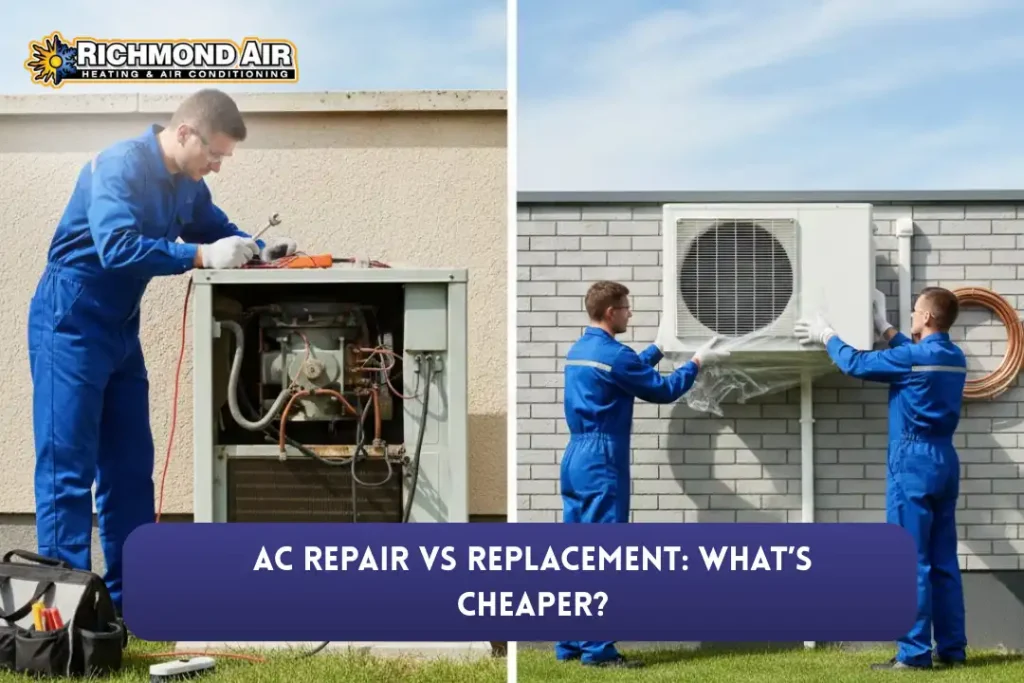
I know this question can feel a bit stressful, especially when your AC stops working on a warm day. You just want cool air again, and you don’t want to waste money. I’ve been in this spot too, and the first thing I asked myself was, “Should I fix it, or is it smarter to get a new one?” Let me help you make that choice in a simple, clear way.
AC Repair vs Replacement: What’s Cheaper?
Most of the time, AC repair is cheaper when the problem is small, like a bad capacitor, a thermostat issue, or a clogged drain line. But replacement becomes cheaper long-term when the unit is old, has big problems like a bad compressor, or needs repair after repair. A quick check from a technician can usually show which path saves you more money.
AC Repair Costs
When we talk about AC repair, the price usually depends on the part that failed and how hard it is to fix. Simple problems like a bad capacitor, faulty thermostat, or clogged drain line often fall on the lower end of the price range. Bigger issues, like a refrigerant leak or a weak fan motor, can cost more because the work takes extra time and special tools.
Well, I’ll tell you a quick story here. A few summers back, my own AC stopped cooling. I thought it would be a huge bill, but it turned out to be a bad capacitor, which is one of the cheapest fixes. The funny part is, I almost rushed to replace the whole thing before getting it checked. That moment taught me something important: small things can fail and make you think the whole system is done, when it’s really not.
Most homes pay somewhere between the low and mid hundreds for common repairs. Problems like drain clogs, frozen coils, or a worn contactor usually stay in that range. But when a major part like the compressor or evaporator coil breaks, the cost can jump a lot higher, sometimes close to the price of a new unit.
If you ever feel unsure when looking at repair prices, it helps to ask yourself one simple question: “Is this a small problem or a sign of many problems coming soon?” That one question alone can guide your next step.
| Repair Type / Component | Typical Cost Range | Notes |
|---|---|---|
| Capacitor Replacement | $100 – $250 | One of the most common and affordable repairs. |
| Thermostat Repair/Replacement | $120 – $300 | Costs depend on thermostat type (basic vs smart). |
| Clogged Drain Line | $100 – $250 | Usually quick to fix; may include cleaning the drain pan. |
| Contactor Replacement | $150 – $350 | Worn contactors cause clicking or failure to start. |
| Refrigerant Leak Repair | $300 – $1,500+ | Depends on leak location and refrigerant type. |
| Fan Motor Replacement | $300 – $900 | Higher cost due to labor and motor type. |
| Evaporator Coil Replacement | $900 – $2,000+ | Major repair; often makes replacement worth considering. |
| Compressor Replacement | $1,200 – $3,000+ | One of the most expensive AC repairs. |
AC Replacement Costs
What Makes AC Replacement a Bigger Choice
Replacing an AC is a bigger step than fixing it, and the cost shows that. When you buy a new unit, you are paying for the system itself, the work to place it in your home, and the time the crew spends setting everything up. A new AC can cost much more than a repair, but the price also gives you something that repairs cannot always guarantee: a fresh start with new parts, new tech, and a clean record with no old problems hiding inside. Many people forget this part because the first number they see is the price tag, but the value is in how long it supports your home.
How AC Size and Technology Change the Price
The size of the AC plays a big role in the final cost. A smaller home needs a smaller system, and a large home needs a bigger one. Bigger units cost more because they are built to cool more air and run harder. The technology inside the unit also makes a difference. Newer systems with higher SEER ratings use less energy and can lower your power bill.
Some systems use variable-speed motors that adjust slowly and gently, which makes your home feel more even and soft in temperature. According to ENERGY STAR, high-efficiency air conditioners can reduce energy use by offering better performance than older units. These advanced parts can cost more upfront, but they help make the system run smoother for many years.
Why Older AC Units Make Replacement Feel Smarter
When an AC gets old, the inside parts wear out. You may start seeing small issues show up one after another. One month it is the capacitor, the next month it is the fan motor, and later it might be a coil leak. Each fix might not feel big on its own, but together they can add up fast.
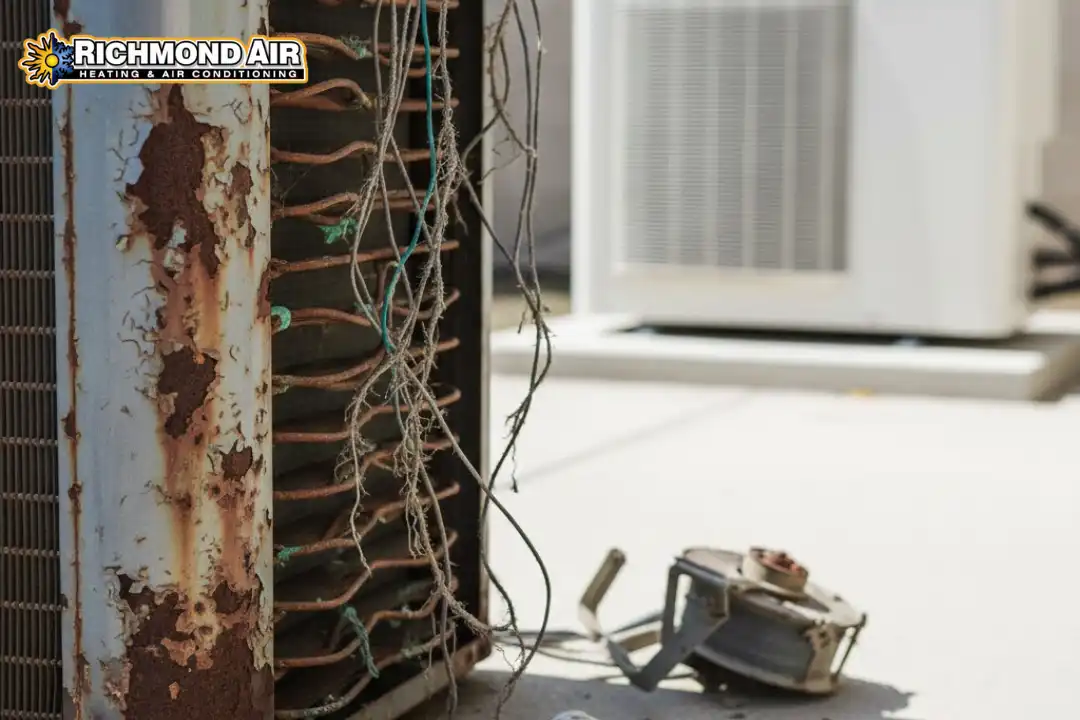
This is where replacement starts to make sense. A new unit removes all those old, worn-out problems at once. It also brings better energy efficiency, stronger airflow, and fresh parts that are built to last longer. Even though the upfront cost is higher, many people find the long-term cost feels lighter.
The Long-Term Money Side of Replacement
One thing I always tell people is this: a new AC can save money slowly, month by month. When your old AC starts to struggle, it needs more power to cool the same space. That means higher power bills. A new system uses less power, so your bills can drop. If your home has an AC that is ten years old or more, you might see a clear difference in your monthly cost after installing a new one. And new units often come with a solid warranty, which helps remove the fear of paying for big repairs again soon. This kind of peace of mind is something many people love once they feel it.
Why Some Homes Benefit More From Replacement
Some homes feel the improvement right away with a new unit. Houses with uneven air, hot rooms, or weak airflow can often feel much better because new systems push air more evenly. Homes with old ductwork or older tech may also see bigger changes in comfort.
If the old AC used older refrigerant, replacing it helps avoid future trouble finding parts or paying high prices for refills. These small details make the new AC feel like a better choice for some homes, especially when the old system is already past its best years.
How to Think About Replacement Without Pressure
Replacing an AC is a big choice, but it should never feel rushed. The best way to think about it is simple: look at the age of your AC, look at the cost of the problem in front of you, and look at how often trouble has shown up in the past year.
If the repair cost is close to half the cost of a new unit, or if problems keep coming back, a new AC may save you money and stress. If your system is still young and has only one issue, replacement may not be needed yet. You do not need to race to a decision. You only need clear facts to guide you.
How to Know When Repair Is the Cheaper Choice
When Small Problems Cost Less
Repair is usually the cheaper path when the issue is simple and the rest of the AC is still in good shape. Small things like a bad capacitor, a loose wire, or a blocked drain line can be fixed fast and at a low cost. These repair jobs do not harm the rest of the system, so the AC can go back to normal right away. If your unit has been cooling well before the problem, fixing it is often the smartest move.
When Your AC Is Still Young
If your AC is under ten years old, repair is often the better choice. Newer units still have strong parts, better SEER efficiency, and fewer worn-out areas. Many young units also have warranty coverage, which helps cut the repair bill even more. When the system still has many good years left, spending a small amount on repair makes more sense than buying a whole new unit.
When Your AC Has No History of Trouble
A single problem is usually not a sign of a weak AC. Sometimes a part just wears out or a sensor gets dirty. If you have not had issues before, repair is the cheaper and safer choice. I always tell people: one problem does not mean the whole system is bad. But several problems in a row can be a warning sign, which is when you start thinking about replacement later.
When Repair Cost Is Far Lower Than Replacement
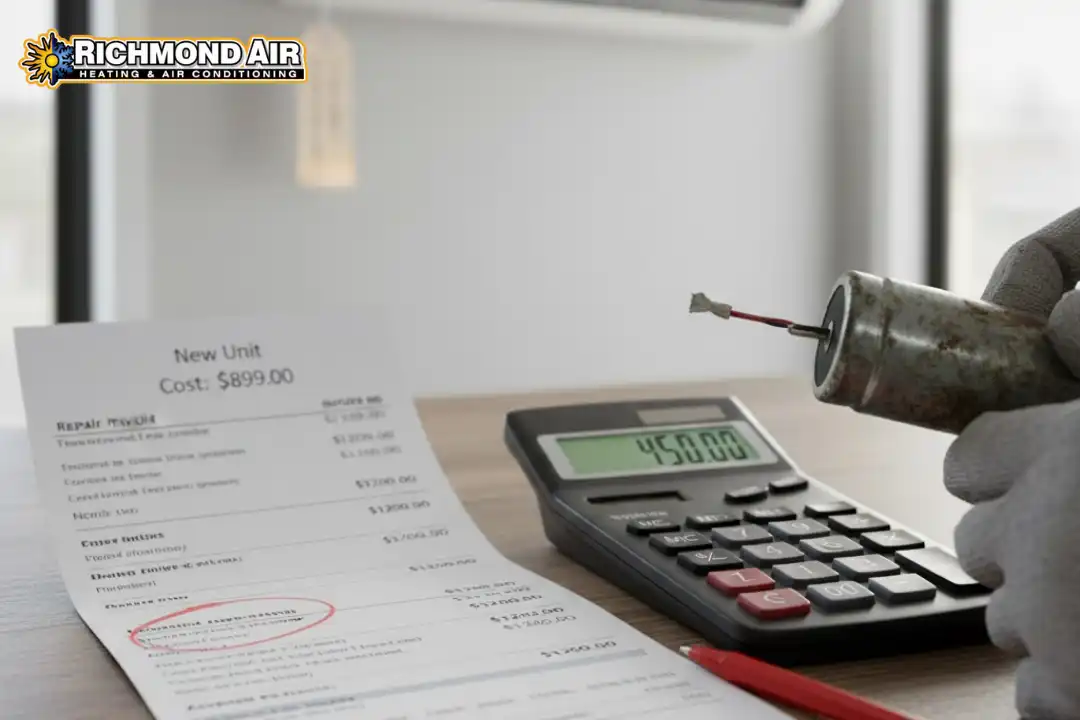
A good rule is simple: if the repair price is far below half the cost of a new AC, fixing it is almost always cheaper in the short and long term. This helps you avoid spending extra money on something you do not need right now. A tech can show you the exact repair cost and replacement cost so you can compare them easily.
Quick Repair vs Replacement Comparison
Here is a simple table to help you see when repair makes more sense:
| Situation | Repair Choice | Replace Choice |
| Age under 10 years | Yes | No |
| One small issue | Yes | No |
| No past problems | Yes | No |
| Repair cost under 50% of new unit | Yes | No |
| Major part failure (compressor, coil) | No | Yes |
| Many repairs in the last 12 months | No | Yes |
When Repair Saves You Stress
Repair is also the easier choice when you want fast comfort. Most small AC fixes can be done in one visit. This helps you get cool air back without waiting for order times or long install hours. If money is tight right now, repair gives you breathing room so you can plan for a new system later if needed.
Signs Replacement Will Save You More Long-Term
When Your AC Is Reaching the End of Its Life
Most AC units start slowing down after ten to fifteen years. Parts wear out, airflow drops, and the system needs more effort to cool the same space. When this happens, even small fixes cannot bring the AC back to how it used to be. If your unit is getting old and you keep noticing warm spots, slow cooling, or loud sounds, replacement often saves more money over time because you stop paying for repair after repair. Older systems also lose SEER efficiency, which raises your power bill slowly but steadily.
When Big Problems Keep Showing Up
Some issues are warning signs that the AC is reaching its last stretch. A bad compressor, a failing evaporator coil, or a deep refrigerant leak can each lead to very high repair bills. These parts are the heart of the AC, and when they fail, the cost can get close to the price of buying a new system. When this happens, replacement is the smarter money choice because you avoid putting large amounts of money into a system that may break again soon.
Here are some common signs that push people toward replacement:
• repeated repairs within one or two years
• very high repair quotes
• uneven cooling across the home
• very loud running noise
• fast rising power bills
• the need for older refrigerant types that are hard to get
When Your Energy Bills Keep Getting Higher
Old AC systems use more power as the parts weaken. This makes your monthly power bill slowly rise, even if you do not change your daily habits. A new AC with better SEER efficiency can help lower your bill right away. When you add these savings over many years, the cost difference becomes clear. For many people, this long-term saving is the main reason they choose a new system instead of fixing the old one again.
When You Want Better Air and Steady Comfort
New AC units are designed to give smoother airflow, better temperature control, and cleaner indoor air. Features like variable-speed motors help keep rooms even and steady, instead of cold in one spot and warm in another. If your current AC makes your home feel patchy or uncomfortable, replacement can fix that much better than repair. This also helps people with allergies or breathing issues because newer systems handle air quality better.
When You Want to Avoid Future Stress
A new system gives something repairs cannot promise: a fresh start. With new parts, new tech, and a solid warranty, you cut down the chance of sudden breakdowns. If you want fewer surprise repair bills and more steady comfort, replacement may be the cleaner long-term choice.
The 50% Rule Explained
What the 50% Rule Means
The 50% rule is a simple way to decide if fixing your AC is worth the money. The idea is easy to follow: if the repair cost is half the price of a new AC, or even close to it, replacing the unit usually saves you more in the long run. This rule helps you see the bigger picture instead of only looking at the repair bill in front of you. Many people use it because it gives a clear line that is easy to understand, even when you feel stressed about the decision.
Why This Rule Works So Well
This rule works because older AC units tend to need more work as time goes on. Small parts break. Airflow gets weaker. The power bill climbs. When you add these things together, a system that already needs a big repair often has more trouble coming soon. So if a major fix costs close to half of a new system, that money might not last long before another part fails. A new unit, on the other hand, gives you fresh parts, new efficiency, lower bills, and peace of mind. That is why paying more today can save more tomorrow.
A Simple Example to Make It Clear
Let’s say you get a repair quote that is very high because a big part, like the compressor, is failing. If the repair price is close to half the cost of a new system, stopping and thinking about replacement is smart. A compressor is one of the most important parts of your AC, and repairing it does not always bring the whole system back to full strength, especially if the unit is already old. A new system may cost more upfront, but you also get a clean start and a break from repeated repair stress.
When the 50% Rule Doesn’t Apply
There are times when the 50% rule may not be a perfect fit. If your unit is still young, has a strong SEER rating, or has never had trouble before, a high repair cost may still make sense. A single big problem can happen even in a newer system. In that case, the rest of the AC still has many good years left, so replacing it too early may waste money. The rule is helpful, but it should not replace common sense or the history of your AC.
How the Rule Helps You Make a Calm Choice
Money choices feel heavy when your home is hot, and your AC is down. The 50% rule helps cut through that pressure by giving you a simple point to check. It tells you when to stop and think before spending on repairs that may not last. Once you know the repair cost and the replacement cost, this rule makes the choice feel clearer, steadier, and less rushed.
Final Thoughts
Choosing between AC repair and AC replacement doesn’t need to feel heavy. When the problem is small and your system is still strong, repair is usually the cheaper and smarter choice. But when the AC is old, weak, or needs big fixes, replacement often saves you more money and stress over time. The best choice is the one that keeps your home comfortable without wasting your budget, and a clear look at the repair cost, system age, and past trouble can guide you there with ease.
If you need a quick fix or a full replacement, Richmond Air can get your home cool and comfortable again.
FAQs
Why does my AC keep breaking down?
Many AC units start breaking down again and again when the parts inside have reached the end of their life. Things like old wiring, weak capacitors, or worn fan motors can cause repeated trouble. If these issues show up often, your system may simply be getting old and tired.
Is repairing an AC cheaper than replacing it?
Repair is cheaper when the issue is small, like a thermostat problem, a drain clog, or a loose sensor. But if the repair cost is close to half the price of a new system, replacing the whole unit may save you more money in the long run.
How long does a normal AC last?
Most AC units last around ten to fifteen years. After this point, they lose SEER efficiency and need more repairs. Some units last longer with great care, but many begin slowing down around this age.
Do new AC units cool better?
Yes. New units have better airflow, stronger motors, and smarter cooling features. Systems with variable-speed motors keep rooms cool in a more even and steady way. Many people feel a big comfort change right away.
What is the most expensive AC part to repair?
The compressor is usually the most costly part to fix. When a compressor fails, the repair cost can be very high, and many people choose replacement instead because the rest of the system may also be worn out.
