Why Older Richmond Homes Struggle with Cooling
The Unique Cooling Challenges in Richmond, Virginia
Richmond summers are no joke. The humidity levels here are high, and the heat can feel relentless from June through September. Older homes in neighborhoods like Church Hill, The Fan, and Northside were built before central air conditioning was even common. So the walls, attic spaces, and windows were never designed to hold cool air inside.
So let’s learn how to improve AC efficiency in older Richmond homes!
Most of these homes have thin walls with little to no wall insulation. The ductwork, if it exists at all, is often small and leaky. That means your AC system has to work twice as hard to keep the inside cool when hot air keeps sneaking back in from every gap and crack.
Honestly, I’ve talked to many Richmond homeowners who tell me they run their AC all day and still feel uncomfortable by 3 PM. That’s a sure sign the system is fighting a losing battle against poor home insulation and air leaks.
How an Aging AC System Loses Its Power Over Time
If your air conditioning unit is more than 10 to 15 years old, it’s likely not cooling at the same level it once did. Over time, parts like the evaporator coil, compressor, and condenser coil get dirty or worn. The refrigerant levels may drop. All of this means your system uses more electricity to do less cooling.
You might notice it takes much longer than before to cool a room. Or your electricity bills keep going up even though your habits haven’t changed. These are clear signs of a system losing energy efficiency over time. The older the unit, the lower its SEER rating performance becomes in real life, even if it once had a decent score on paper.
Fix the Basics First: Insulation and Air Sealing
Why Attic Insulation Is the First Place to Look
Here’s something most people don’t think about until it’s too late. Your attic gets incredibly hot in Richmond summers, sometimes reaching over 130 degrees Fahrenheit up there. If your attic insulation is thin or missing, all that heat pushes straight down into your living space. Your AC then has to fight not just the outside temperature but the heat baking down from above.
Adding proper insulation material to the attic is one of the most cost-effective things you can do. According to the U.S. EPA’s ENERGY STAR program, sealing and insulating your home properly can save up to 15% on heating and cooling costs. That adds up fast in a hot Richmond summer.
Before adding insulation, always seal any air leaks in the attic floor first. If you insulate over leaks, warm air will still push through. Seal first, then insulate. This order matters a lot.
Seal Windows, Doors, and Hidden Gaps Around Your Home
I once helped a neighbor in Richmond check her old Victorian home for air leaks. We lit a candle near her window frames and watched the flame flicker wildly. Cool air was pouring out through gaps we couldn’t even see with the naked eye. It was like leaving the front door cracked open all day.
Weatherstripping around doors and caulking around window frames are cheap fixes that make a real difference. You should also check where pipes, wires, or cables enter your home. These small holes around plumbing penetrations and electrical outlets are sneaky spots where air slips in and out constantly.
Sealing these gaps keeps your cool air inside and stops humid outside air from entering. In a humid city like Richmond, this also helps control indoor humidity, which makes your home feel much more comfortable without making the AC work harder.
Smart Upgrades That Make a Real Difference
Install a Programmable or Smart Thermostat
Switching to a smart thermostat or a programmable thermostat is one of the easiest and smartest upgrades you can make. These devices let you set different temperatures for different times of the day. So when you’re at work, the house can be warmer. When you’re heading home, it starts cooling down before you even walk in the door.
Most people don’t realize this, but adjusting your thermostat settings by just 5 to 8 degrees when you’re not home can save a meaningful amount on your cooling costs. According to the U.S. Department of Energy, you can save around 10% per year on heating and cooling by simply adjusting the temperature by 7 to 10 degrees for eight hours a day.
Also, make sure your thermostat isn’t placed near a sunny window or next to a lamp. If it senses extra heat from those sources, it will run your AC longer than it needs to. That’s wasted energy and money every single day.
Consider Ductless Mini-Split Systems for Older Homes
Many older Richmond homes either have no ductwork at all or have ducts that are too small to support a full central air system. This is where ductless mini-split systems become a game-changer. These units have one outdoor unit connected to one or more indoor air handlers mounted on your wall.
Mini-splits are highly efficient, allow zoned cooling, and don’t need any duct installation at all. You can cool the bedroom at night and the living room during the day without wasting energy on rooms you’re not using. For historic Richmond neighborhoods where invasive renovations aren’t always possible, mini-splits are often the best answer on the market right now.
Regular Maintenance Goes a Long Way
Change Your Air Filter and Clean Your Coils
This sounds simple, and it is. But you’d be surprised how many people forget about their air filter for months at a time. A clogged, dirty filter blocks airflow through the whole system. Your AC has to work harder and longer to push air through. This wastes electricity and shortens the life of your unit.
Check your filter every month. Change it every one to three months, depending on how dusty your home is or if you have pets. It takes two minutes and costs a few dollars. It’s honestly one of the best energy-saving tips that people constantly overlook.
Beyond the filter, the condenser coils on the outdoor unit collect dirt and debris over time. A dirty condenser unit can’t release heat properly, which reduces efficiency fast. Clean around the outdoor unit, remove leaves and grass clippings, and make sure nothing is blocking airflow around it. A professional can do a deep coil cleaning during your annual tune-up.
Schedule Annual Professional HVAC Maintenance
Getting a professional AC maintenance service once a year is something I feel strongly about. A trained technician will check refrigerant levels, inspect electrical components, test the capacitor and contactor, measure airflow, and calibrate the thermostat. These things are hard to check yourself but make a big difference in how well your system runs.
In Richmond, spring is the best time to schedule your AC tune-up, before the heat season hits hard. You don’t want to find out your system has a problem on the hottest day of July. A yearly check keeps small problems from becoming expensive repairs and helps your system last longer before needing full replacement.
Reduce Heat Coming Into Your Home
Use Window Treatments to Block Summer Sunlight
Direct sunlight through your windows is one of the biggest sources of indoor heat in the summer. If you have south or west-facing windows, the afternoon sun can heat up a room fast, no matter how good your AC is. Using thick blackout curtains, cellular shades, or reflective window film can block a large portion of that heat before it ever enters your home.
This is especially helpful in older Richmond homes that have single-pane windows. Upgrading to double-pane windows is a bigger investment but well worth it for the long term. They create an insulating barrier that helps both in summer and winter. Until you can make that upgrade, window treatments are a smart and low-cost way to help right now.
Avoid Adding Extra Heat During the Hottest Hours
This is something I learned the hard way one summer. I was baking dinner at 5 PM on a 95-degree day, and my AC just couldn’t keep up. The oven and stove added so much heat to the kitchen that the whole downstairs felt stuffy for hours afterward.
During the peak heat hours in Richmond, which are usually between 2 PM and 6 PM, try to avoid using the oven, clothes dryer, or dishwasher. These appliances release a lot of heat energy into your home. Shift those tasks to the morning or evening when it’s cooler. Also, unplug electronics when not in use. According to the U.S. Department of Energy, plugged-in devices that are off still use 5 to 10% of your home’s total energy, and many generate small amounts of heat.
Ductwork Problems in Older Richmond Homes
How Leaky Ducts Destroy AC Efficiency
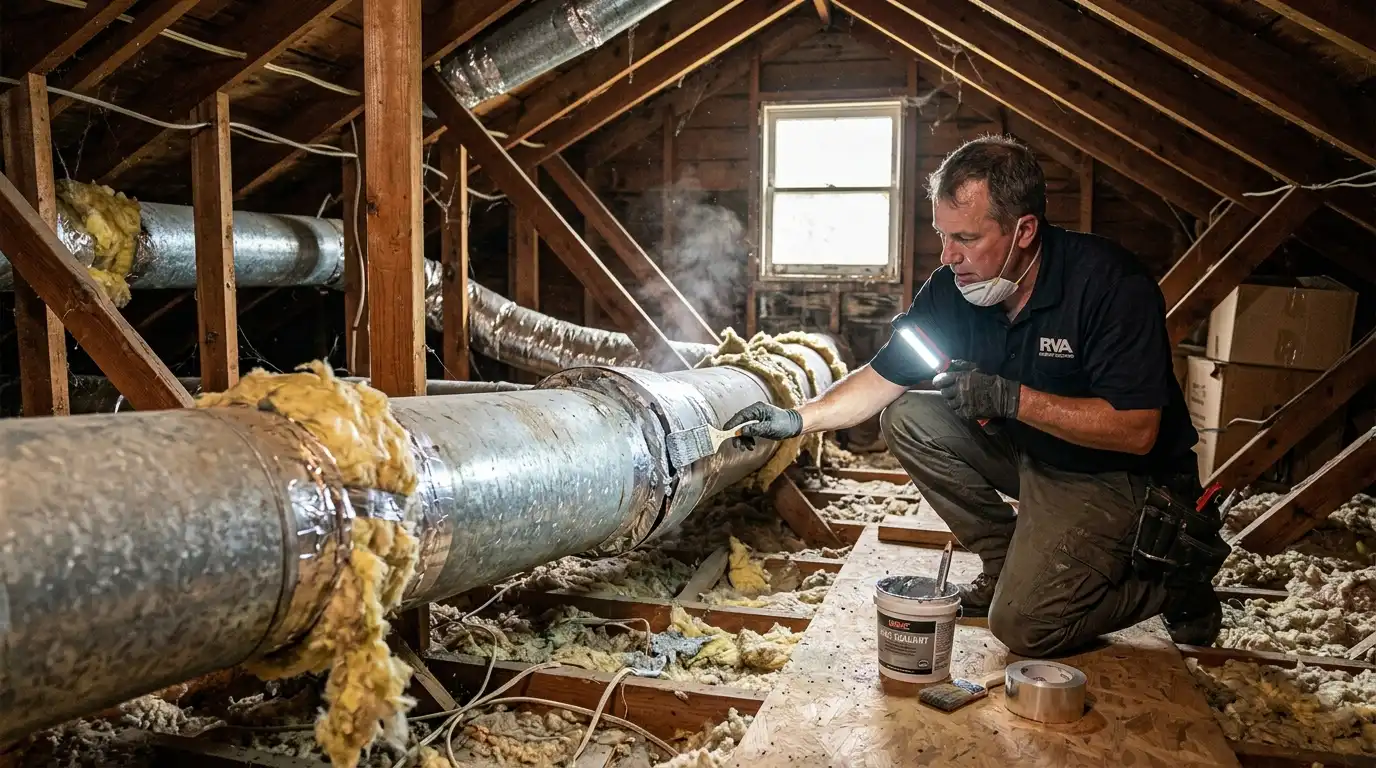
If your home has older ductwork, there’s a good chance it’s leaking cool air into your walls, attic, or crawl space instead of delivering it to your rooms. This is more common than people think. Leaky ducts can waste 20 to 30% of your cooled air before it ever reaches you. That’s like paying for three bags of groceries and only bringing two home.
You can look for visible damage, disconnected joints, or sections of duct that feel warm to the touch during cooling hours. A professional can do a pressure test to find leaks you can’t see. Sealing ducts with UL 181-rated duct tape or mastic sealant and insulating exposed sections running through hot attic spaces can make a noticeable improvement in how well your system cools.
When to Consider Partial or Full Duct Replacement
Sometimes the ducts in an older home are just too small for the current HVAC system. This happens often in Richmond’s historic neighborhoods, where the original duct layout was designed for a much smaller, older system. When ducts are undersized, air can’t flow properly, and you end up with hot and cold spots throughout the house.
A professional can evaluate which sections need to be resized or replaced. You don’t always have to replace everything at once. A partial upgrade on the worst sections can significantly improve performance without a full home renovation. This is a popular solution in Richmond’s older historic homes where full replacement would require too much structural work.
Conclusion
Older Richmond homes have a lot of personality and history. But they also have real challenges when it comes to staying cool in the summer. The good news is that improving your AC efficiency doesn’t always mean spending a fortune or replacing everything at once.
Start with the basics. Seal your air leaks, improve your attic insulation, and change your air filter regularly. Add a smart thermostat, use window treatments, and schedule a yearly professional AC tune-up. For homes without proper ductwork, a ductless mini-split might be the best long-term solution.
Each step you take adds up. You’ll notice the difference in how your home feels and how much you’re paying every month. If you’ve tried any of these tips in your Richmond home, I’d love to hear what worked best for you. Feel free to drop a comment or reach out with questions!
Frequently Asked Questions
How often should I change the air filter in my older Richmond home?
You should check your air filter every month and replace it every one to three months. If you have pets or allergies, change it more often. A clean filter keeps airflow strong and helps your AC run without extra strain.
Is a ductless mini-split a good option for a historic Richmond home?
Yes, a ductless mini-split system is one of the best options for older Richmond homes. It doesn’t need any new ductwork, allows zoned cooling, and is very energy efficient. It also avoids the structural changes that traditional central AC installation would need in a historic home.
What are the signs that my older AC system is losing efficiency?
The most common signs include rising energy bills, uneven cooling in different rooms, strange noises from the unit, and the system running for much longer than before. If your AC unit is more than 10 to 15 years old, these signs likely mean it’s time for a full check or replacement.
How much can sealing air leaks actually save on my cooling costs?
Sealing air leaks and improving insulation can save up to 15% on your total heating and cooling costs, according to the U.S. EPA’s ENERGY STAR program. In a home with many gaps and old windows, the savings can be even higher because you’re stopping cool air from escaping all day.
When is the best time to schedule AC maintenance in Richmond, VA?
The best time is spring, ideally April or May, before the hot Richmond summer begins. Scheduling your AC maintenance service early means the technician can find and fix any issues before you need the system running at full power every day. Don’t wait until July when HVAC companies get very busy.